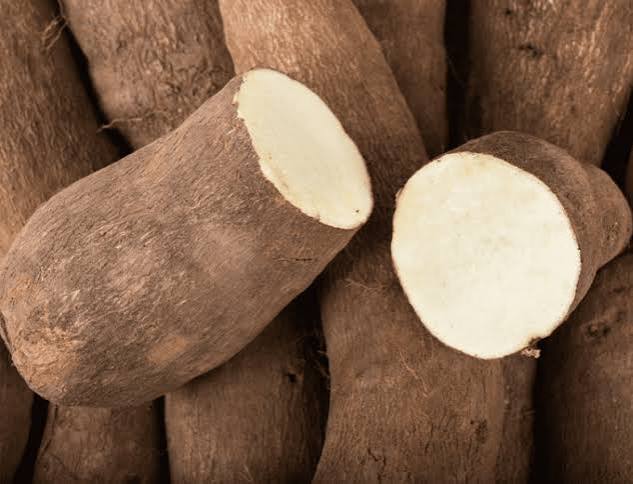
«Amanda toto»: consume with moderation
- Posted on 15/05/2026 13:46
- Film
- By abelozih@sante-education.tg
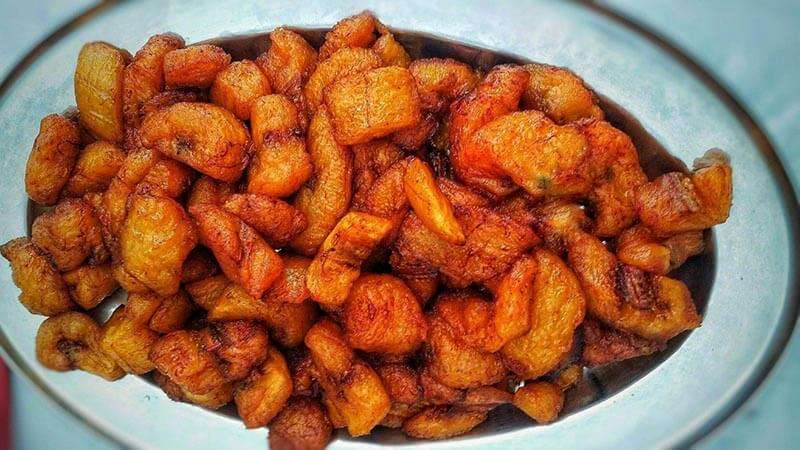
Extract from the article: Emblematic dish of African cuisine, particularly popular in Ivoiry Coast, « alloco » and highly appreciated in Togo, « amandan toto », fried plantains, occupies a prominent place in the daily diet of many families. However, nutrition specialists call
Emblematic
dish of African cuisine, particularly popular in Ivoiry Coast, « alloco »
and highly appreciated in Togo, « amandan toto », fried plantains,
occupies a prominent place in the daily diet of many families. However,
nutrition specialists call for moderate consumption in order to prevent certain
health risks related to excessive frying.
This
tasty dish is distinguished by its melting or crispy texture and its light
sweet touch. Consumed both as a snack and as an accompaniment to more hearty
dishes, alloco is often paired with braised fish, grilled chicken or spicy
sauce.
A
dish rich in calories and fat
Dr.
Kponou Tobossi, a specialist in biochemistry and clinical nutrition, informs
that "amandan toto is above all an important source of carbohydrates,
because plantain is naturally rich in starch and also has a high fiber content
(5.8 g per 100 g) which contributes to the feeling of satiety and good
intestinal health".
The
plantain is "a valuable source of minerals such as magnesium, phosphorus,
iron, manganese, copper, and potassium that promote cell regeneration, bone and
cartilage strength, muscle function, and heart rate regulation", informs
Dr. Kponou Tobossi, during an awareness-raising campaign at the Hanoukopé
market, as part of the 7th edition of the Welfare and Health Food Market in
Togo (MaBEST).
The
plantain also contains "vitamin C, which helps to improve natural
defenses, prevent viral infections and maintain good health." It also
provides a contribution of vitamins B6 and B9, known for their antioxidant
effect," says the specialist.
A
portion of 200 g of alloco provides about 400 to 450 kcal, including 20 to 25 g
of fat depending on the oil used according to data from the American Journal of
Food Science and Technology. «Once fried, the plantain becomes even more
caloric due to oil absorption. This combination makes it an energy food, but
also a potential factor for weight gain if consumed in excess. Alloco is a food that is still particularly
fatty and sweet at the same time," says Dr. Serges David Kodjo,
endocrinologist doctor, diabetologist nutritionist at CHU Sylvanus Olympio.
For
people with cardiovascular problems, "eating fried foods regularly will
lead to arterial problems and therefore complications from an already
pre-existing disease. In addition, frying leads to a significant increase in
lipid content, especially if it is carried out with unhealthy oils or reused
several times," informs Dr. Serges David Kodjo, nutritionist. Excessive
fat consumption can promote the accumulation of body fat and affect dietary
balance, he says.
The
impact on cardiovascular health
A
study by researchers from the Heart of British Medical Journal indicates that
regular consumption of fried foods can increase the risk of cardiovascular
disease by 22% and stroke by 28%.
One
of the main concerns related to the excessive consumption of alloco is its
impact on cardiovascular health, as indicated by Dr. Tobossi: "Oils used
for frying, especially when rich in saturated or trans fats, can increase the
level of unsafe fats."
In
addition, regular consumption of fried foods has been associated with an
increased risk of type 2 diabetes. Furthermore, Dr. Serges Kodjo adds that
regular consumption of fried foods "also increases the risks of acid
reflux by weakening the esophageal sphincter. So, the combination of fast
sugars from the ripe banana and fat can disrupt metabolism and contribute to
imbalances in blood glucose regulation."
The
impact on the liver and other tissues
Dr.
Tobossi also adds that the excess alloco (carbohydrates + lipids) implies with
our local culinary realities (dubious or reused oil) the absorption of
saturated fatty acids whose degradation products give toxic and deleterious
compounds. The fast sugar of plantain combined with fatty acids provides enough
calories, the surplus of which are stored in the liver as
"triglycerides". We witness the phenomenon of fatty liver or
"steatosis" and also visceral adiposity (accumulation of fat on the
intestines). These two phenomena are on the one hand indirect sources of
prolonged hyperglycemia and renal overuse because the liver transforms these
fats into sugar (de novo hepatic glycogenesis), and on the other hand a source
of endogenous destruction of the liver itselfeven ranging from simple
inflammation to metabolic liver cancer.
Tips
for a more balanced consumption
It
is possible to enjoy the delicious taste of alloco while adopting healthier
habits and controlling portions. Dr. Tobossi provides the following advice:
"Favor healthier cooking methods by opting for steaming or boiling, in the
oven, or frying with very little oil, this allows to significantly reduce the
fat intake. Eating small amounts of alloco with foods rich in fiber and
protein, such as vegetables or fish (stewed), helps balance the meal. The
fibers we have in vegetables help absorb some of the fats and sugar from the
meal." The specialist recommends
using local oils of better quality, including peanut oil "kuklui",
palm nut oil "neimi", which contain fatty acids more beneficial for
the body.
William O.