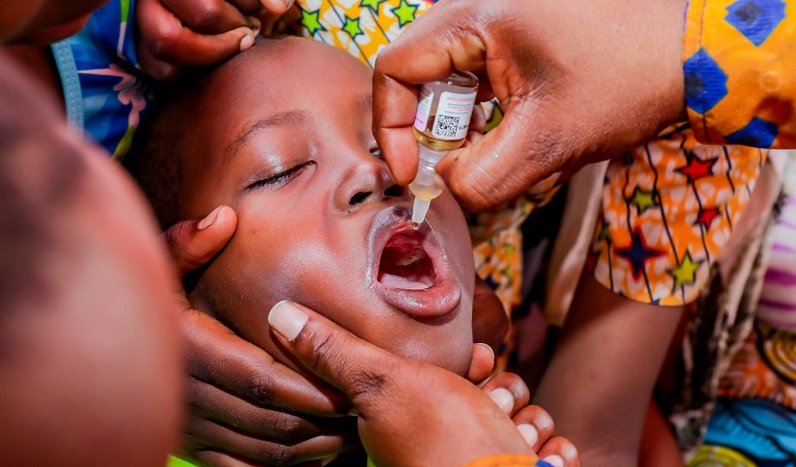
Closure of Phase 1 of the HIV-Related Stigma Reduction Project in Togo
- Posted on 30/07/2025 19:42
- Film
- By raymonddzakpata@sante-education.tg
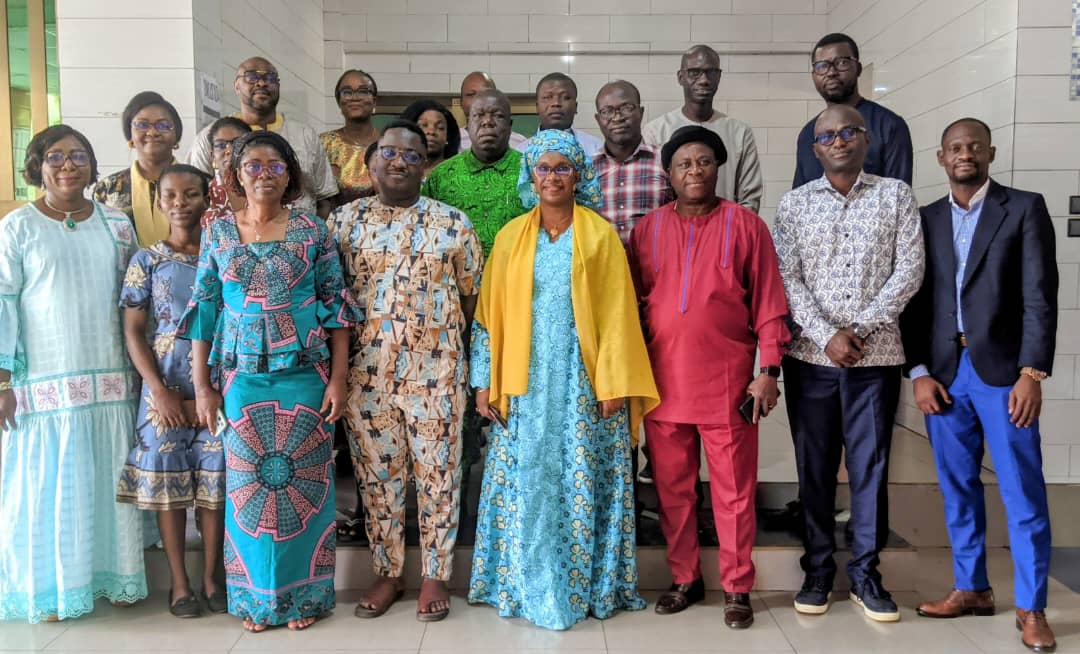
Extract from the article: The Joint United Nations Programme on HIV/AIDS (UNAIDS) organized a national workshop on Wednesday, July 30, 2025, in Lomé to mark the end of Phase 1 of the project “Community Response to Stigma, Discrimination, and Legal Reform in West and Central..
The
Joint United Nations Programme on HIV/AIDS (UNAIDS) has completed phase 1 of
the project “Community response to stigma, discrimination, and legislative
reform in West and Central Africa.” The results and impacts of the project were
evaluated during a workshop on Wednesday, July 30, 2025, in Lomé. The
initiative, implemented in Togo since 2022, provided an opportunity to
capitalize on achievements and evaluate lessons learned in preparation for the
Global Fund's reprogramming (GC7) and the upcoming request for GC8.
In her opening remarks, UNAIDS
Country Director, Dr. Yayé Kanny Diallo, praised the project’s impact within a
national response context aimed at removing social barriers to HIV care.
“This project came at
the right time, when stigma and discrimination are recognized as real obstacles
to healthcare access. Thanks to this initiative, more than 300 community actors
and health workers have been trained. A visual storytelling tool was also
developed to help break down social barriers to accessing HIV prevention,
treatment, and testing services,” she stated.
She also emphasized the
need for national authorities to take ownership of the initiative, sustain the
gains, and mobilize more resources in a global context of shrinking funding.
National Reach and Tangible
Results
Augustin Dokla, President
of RAS+ Togo, one of the main community organizations involved, highlighted the
project's geographic and human scope.
“We carried out
activities in three regions – Greater Lomé, Plateaux, and Kara – reaching over
300 beneficiaries, including healthcare providers and around a hundred peer
educators. The LILO (‘Look In, Look Out’) strategy proved to be a powerful tool
to help people understand the lived realities of people living with HIV and key
populations,” he stressed.
He also mentioned the
integration of Community-Led Monitoring (CLM), a community-driven monitoring
mechanism that places beneficiaries at the center of HIV project implementation
and evaluation.
Ongoing Challenges and the
Need to Sustain Momentum
Despite these advances, Mr.
Dokla emphasized a major challenge: the rise in self-stigmatization, which
calls for more nuanced and sustainable approaches.
“We have achieved
extraordinary results, but human behavior is difficult to change. As long as
stigma—including self-stigma—persists, our efforts must continue. The end of
funding for this first phase is a painful moment, but also a call to action for
partners,” he explained.
Towards Sustainable
National Action
The close of this first
phase marks a strategic transition for Togo. The country now has concrete
evidence, best practices, and tools to guide the reprogramming of international
funding and to strengthen the HIV response in an inclusive and effective manner.
All stakeholders—health
authorities, civil society, and technical partners—are now called upon to turn
these gains into sustainable national policies, in order to honor the
collective commitment: to end the HIV/AIDS epidemic by 2030.
Raymond
DZAKPATA