Warning: avoid the excessive use of paracetamol
- Posted on 08/05/2025 19:06
- Film
- By abelozih@sante-education.tg
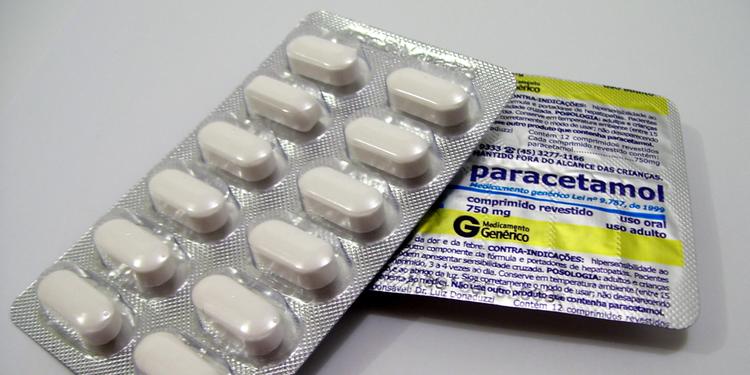
Extract from the article: These days, when faced with a simple headache, slight fatigue or aches and pains, the reflex is often quick: turn to paracetamol. This medicine has become a staple in our family pharmacies. It effectively relieves mild to moderate pain and lowers fev
These
days, when faced with a simple headache, slight fatigue or aches and pains, the
reflex is often quick: turn to paracetamol. This medicine has become a staple
in our family pharmacies. It effectively relieves mild to moderate pain and
lowers fever. The fact that it is so readily available and perceived as a safe
drug masks a real danger, not only in the event of overdose, but also sometimes
at usual doses.
Paracetamol
is mainly administered orally, in the form of tablets, capsules, sachets,
suppositories or syrups for the very young. Its effectiveness is based on its
ability to inhibit the production of prostaglandins in the brain. These
substances are involved in the sensation of pain and the increase in body
temperature. Paracetamol therefore acts as an analgesic against pain and an
antipyretic against fever.
The
usual dosage for an adult varies from 500 mg to 1 g per dose, repeated every 4
to 6 hours, without exceeding 4 grams per day. It is available in different
dosages, and it is crucial to adapt the dose to your age and weight, following
medical and package insert recommendations.
Serious liver damage
An
overdose of paracetamol can cause severe liver damage.Prolonged use at high
doses can also cause progressive damage.Liver cells damaged in this way
severely disrupt its function.This is a medical emergency, which may manifest
itself as jaundice and coagulation disorders. Other symptoms may include
fatigue, stomach pains or disturbed digestion.Most alarmingly, there may be no
symptoms at all in the early stages.
Kidney damage
Under
normal conditions, paracetamol has no harmful effect on the kidneys. Kidney
damage is a serious complication of overdose, especially in cases of serious
liver damage.Toxic substances produced in the liver can reach the kidneys and
impair their function.
Kidney
function tests may reveal abnormal creatinine levels and a reduction in
glomerular filtration. Renal failure complicates the elimination of paracetamol
and reduces the effectiveness of the antidote.
Misleading initial symptoms
The
first signs of paracetamol poisoning are often vague: nausea, vomiting, fatigue
and widespread abdominal pain.They appear within 24 hours of excessive
ingestion.These non-specific symptoms or lack of immediate warning signs can
delay medical consultation, reducing the chances of effective treatment.
Blood coagulation problems
Excess
paracetamol can also alter the liver's production of clotting factors, leading
to coagulation problems and internal bleeding.
Risk of coma
If
left untreated, liver failure can lead to brain damage caused by accumulated
toxins. This accumulation of toxins in the brain causes serious neurological
disorders, ranging from confusion to convulsions and coma, with a high risk of
death.
Cardiovascular risks
Taking
paracetamol for long periods could increase blood pressure and the risk of
heart problems.A warning from a group of Scottish researchers at the University
of Edinburgh has been published in the scientific journal Circulation.Taking
paracetamol regularly can increase blood pressure in hypertensive patients.
According to the study ‘Paracetamol: not as safe as we thought? A systematic
literature review of observational studies’ published by the British journal
“Annals of The Rheumatic Diseases”, paracetamol is likely to increase the risk
of cardiovascular disease, heart attack or stroke by 20%.
Gastrointestinal problems
Regular
consumption of paracetamol can lead to digestive bleeding and
ulceration.Although the exact mechanism remains to be determined, paracetamol may
alter the protection of the intestinal wall, promoting inflammation or lesions.
Paracetamol, taken in large quantities or for a prolonged period, can cause
irritation of the stomach and intestines. This can lead to increased nausea,
vomiting and diarrhoea.
Death
In
the most serious cases of untreated overdose, neurological disorders such as
confusion, drowsiness and coma may occur.Mortality can be as high as 50%
without prompt treatment.Renal damage, although less frequent, may also occur.
Danger to pregnancy
When
pregnant, self-medication is strongly discouraged. Even in the case of
medicines perceived as harmless, such as paracetamol. These are the findings of
an international study published in the journal Nature Reviews
Endocrinology.According to its 91 authors, experts in a range of specialities,
paracetamol consumption during pregnancy ‘may alter foetal development, which
could increase the risk of certain neurodevelopmental, reproductive and
urogenital disorders’. Research by the
University of Bristol has established a link between taking paracetamol between
the 18th and 32nd week of pregnancy and behavioural problems such as
hyperactivity and attention disorders in young children.
It
is important to follow the instructions on the package leaflet or those of your
health professional. Pay attention to your body's reactions when taking any
medication.If in doubt or if symptoms persist, consult a health professional or
go back to the prescriber.Caution is advised when taking this common medicine.
William O. & Esther KOLANI
Article validated by Dr Jean-Claude
Bakpatina, general practitioner at the Floréal clinic in Lomé.