Wagashi cheese: a nutritional treasure trove
- Posted on 31/01/2024 17:31
- Film
- By raymonddzakpata@sante-education.tg
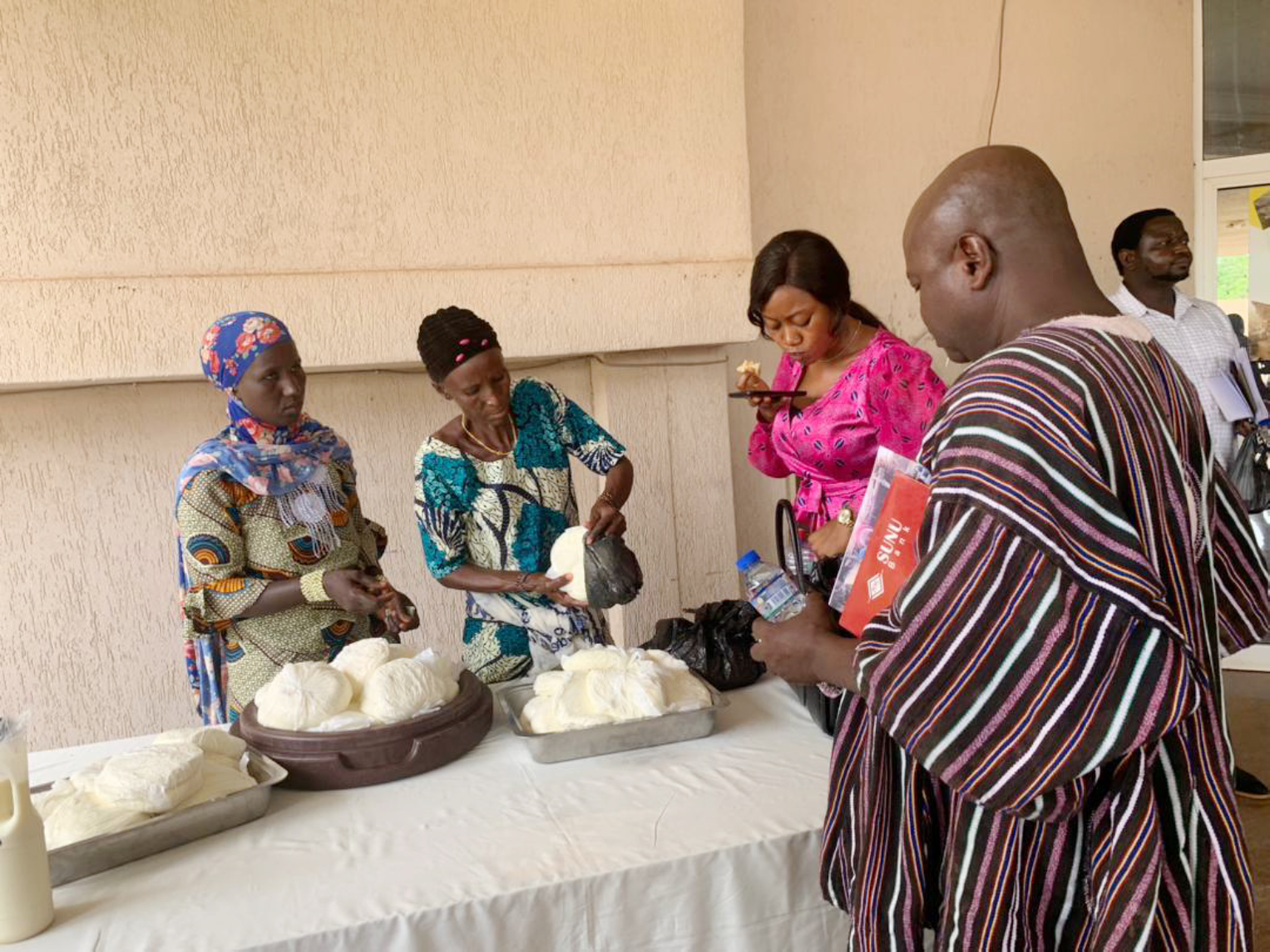
Extract from the article: A soft cheese made from the fresh milk of local cows, wagashi is a delicious product, produced mainly locally by the Peulh communities in northern Togo. Very popular and appreciated for its delicious taste, which satisfies consumers' sweet tooth, wag
A
soft cheese made from the fresh milk of local cows, wagashi is a delicious
product, produced mainly locally by the Peulh communities in northern Togo.
Very popular and appreciated for its delicious taste, which satisfies
consumers' sweet tooth, wagashi is also a product of good nutritional quality. Consumed regularly but in moderation to
maintain nutritional balance, it is a source of essential nutrients and
vitamins that are useful for consumption and for the body to function properly.
Provider
of mineral salts
Calcium:
Adequate calcium consumption is linked to better bone health (development and
solidification). Calcium is essential for children (for bone growth), pregnant
women (for foetal bone development), adults and the elderly (for
remineralisation). Eating wagashi (thanks to its calcium content) helps to
combat the risk of hip fractures and osteoporosis.
Phosphorus:
Wagashi is an excellent source of phosphorus. Phosphorus plays an essential
role in the formation and maintenance of healthy bones and teeth. It is also
involved in tissue growth and regeneration, helps maintain normal blood pH
levels and is a constituent of cell membranes.
Studies
in humans have shown that eating wagashi can help prevent tooth decay, points
out Sandrine Zerbo, a registered dietician and nutritionist specialising in
clinical nutrition and enteral and parenteral nutrition. « Among the
proposed mechanisms of action, the minerals in cheese (mainly calcium and
phosphorus) are thought to prevent the demineralisation of teeth, as well as
contributing to their mineralisation.What's more, chewing cheese activates
saliva secretion and helps to reduce acidity (raising the pH) in the mouth
after eating sugary foods, thereby preventing the onset of tooth decay »,
explains the nutritionist-dietician.
Zinc:
Zinc helps boost the immune system and prevent cardiovascular disease. « Zinc
is involved in immune reactions, the production of genetic material, taste
perception, wound healing and foetal development.Zinc also interacts with sex
and thyroid hormones.In the pancreas, it is involved in the synthesis
(manufacture), storage and release of insulin », explains Sandrine
Zerbo.
Vitamin
provider: Vitamins A, D, B2 and B12
Eating
wagashi provides the body with vitamin A, in the form of retinol.Retinol is one
of the active forms of vitamin A in the body. This vitamin is essential for
eyesight, thanks to its antioxidant properties, but it is also involved in the
growth of bones and teeth, maintaining healthy skin and protecting against
infection.
Wagashi
also contains vitamin D, which plays an important role in the proper
functioning of the body.It increases calcium and phosphorus levels in the
blood, enabling optimal mineralisation of tissues (bones, cartilage and teeth),
blood clotting and good nerve transmission.
Vitamin
B2 (Riboflavin) helps maintain good vision, red blood cells and iron. It is
also involved in energy production, thanks to its antioxidant role.Nutritionist
Sandrine Zerbo believes that « wagashi is a good source of vitamin
B2.Also known as riboflavin, vitamin B2 plays a role in the energy metabolism
of all cells. It also contributes to tissue growth and repair, hormone
production and the formation of red blood cells ».
Vitamin B12 works alongside folic acid (vitamin B9) to form red blood cells. It also helps maintain nerve cells and build bone tissue.
Immunostimulant
properties
Wagashi
is essentially a fermentation of milk by lactic acid bacteria.It has been shown
that fermented dairy products, such as wagashi, may have immunostimulant
properties. « Lactic acid bacteria could also colonise the intestine
and thus exert a protective action.Foods containing lactic acid bacteria should
be eaten on a regular basis to reap all their benefits. Wagashi is also a
fermented food, so it contains bacteria or yeast, which help to maintain
healthy microbiomes », explains the Specialist in Clinical Nutrition
and Enteral and Parenteral Nutrition.
Alternative
source of protein to meat
Dairy
proteins in general are of good quality.On the one hand, they are much better
assimilated than vegetable proteins and, on the other, they are rich in
essential amino acids. These proteins help the body assimilate calcium and
iron, improve immunity and lower blood pressure.To be complete, protein must
contain 8 different essential amino acids (+ histidine, a 9th essential amino
acid only for infants and children). Essential amino acids are amino acids that
the body cannot synthesise: they must be provided in the diet. Like meat, fish
and eggs, wagashi is made up of complete proteins. « To be balanced, a
meal must include a source of complete protein, such as wagashi. This cheese
contains complete proteins, as it alone contains all 8 essential amino acids.It
is therefore an interesting food to include in a meat-free meal. Wagashi cheese
contributes to a healthy diet », says Sandrine Zerbo.
High
in calories, wagashi can be recommended for the elderly, pregnant women and
teenagers with calorie deficiency tendencies. It is therefore a good product
for the health and pleasure of the taste buds.
With
the aim of improving the resilience of households living from wagashi
production, strengthening the employment of women and young people in the local
milk value chain and improving the availability and quality of local dairy
products such as wagashi,The NGOs Vétérinaires Sans Frontières Suisse
(VSF-SUISSE) and Gestion de l'Environnement et Valorisation des Produits Agro
Forestiers (GEVAPAF), with financial support from ECOWAS/ARAA and the Swiss
Cooperation, are implementing the « Healthy Wagashi for Optimising the
Income of Households Using Local Milk in Northern Togo » (WOMEN)
project.
William
O.