Excess salt: warning signs
- Posted on 20/06/2023 18:03
- Film
- By abelozih@sante-education.tg
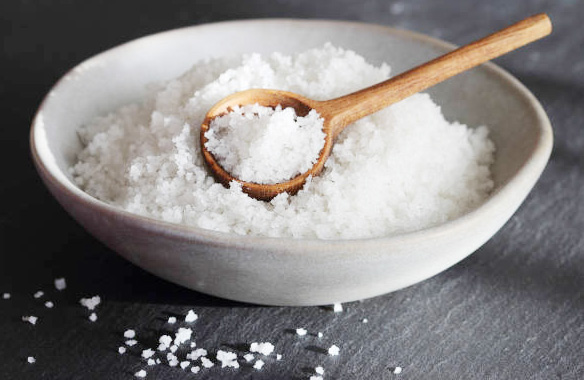
Extract from the article: Salt plays a crucial role in the body, but excessive consumption can have harmful consequences for health. Nutritionists warn of the harmful effects of excess salt on the body. They have identified four warning signs. It is essential to be aware of t
Salt
plays a crucial role in the body, but excessive consumption can have harmful
consequences for health. Nutritionists warn of the harmful effects of excess
salt on the body. They have identified four warning signs. It is essential to
be aware of these signs and to monitor your salt intake to protect your health.
The
World Health Organisation (WHO) sets the limit for salt consumption at 5 grams
a day, or 1 teaspoon. However, most people consume much more than this,
averaging 9 to 12 grams a day - double the maximum recommended by the WHO.
Nutritionists have identified four symptoms that may indicate excessive salt
consumption.
Frequent
urination
After
eating a salty meal, people feel excessively thirsty and tend to drink a lot of
fluids. This excessive thirst is a common reaction to eating salty foods. This
leads to an increase in fluid consumption, resulting in excessive urination. In
this way, the body tries to eliminate the excess salt that has accumulated.
Migraines
Excessive
salt consumption can lead to severe dehydration and headaches. These headaches
are generally more intense than mild headaches. They may be accompanied by a
feeling of tightness due to the dilation of blood vessels. Rehydrating can help
reduce these headaches. But they can appear more quickly in people with high
blood pressure or chronic headaches.
Swollen
hands and feet
Swollen
hands and feet can be a sign of excessive salt consumption. When too much salt
is consumed, the body retains extra sodium. This leads to an increase in fluid
outside the cells. This can disrupt kidney function, lead to fluid retention
and increase blood pressure. Swelling generally appears several hours after
eating salty foods.
High
blood pressure
Excessive
salt consumption is considered to be one of the risk factors for high blood
pressure. In just 30 minutes after consuming too much salt, the body reacts by
causing a reaction in the blood vessels. Symptoms such as blurred vision, chest
pain, palpitations or sudden nosebleeds after eating salty food may indicate
high blood pressure.
Raymond
DZAKPATA