Persistent shivering: causes and symptoms
- Posted on 20/06/2023 16:02
- Film
- By abelozih@sante-education.tg
Extract from the article: Shivering is a normal bodily reaction that occurs when the body tries to keep warm. They manifest as involuntary muscle contractions. Shivering is the body's natural defence mechanism for maintaining body temperature or fighting infection. What are t
Shivering
is a normal bodily reaction that occurs when the body tries to keep warm. They
manifest as involuntary muscle contractions. Shivering is the body's natural
defence mechanism for maintaining body temperature or fighting infection. What
are the causes and symptoms of shivering?
A
shiver is a rapid, fleeting muscle contraction that occurs in the skin. It is
the body's defence mechanism for maintaining body temperature or sometimes
fighting an infection. During a shiver, around 10 muscular contractions per
second occur, allowing the body to warm up quickly.
Associated
symptoms
Shivering
can be accompanied by a variety of symptoms, such as fever, fatigue, headache,
muscle pain, joint pain or abdominal pain. Other symptoms include cold
extremities and skin rashes.
Causes
of chills
Chills
can have many causes and may even be a sign of certain illnesses. The most
obvious cause of chills is cold. Shivering helps the body to warm up by causing
muscle contractions. This is a mechanism by which the body produces heat.
Shivering is accompanied by other protective mechanisms against the cold, such
as reduced sweat production and narrowing of the blood vessels.
Chills
often accompany fever. Fever is generally the body's reaction to an infection
such as malaria, influenza, gastroenteritis or urinary tract infection. Fever
is the body's warning signal to rest and activate the immune system to fight
infection. However, a high fever can be dangerous.
After
an operation under anaesthetic, it is common to shiver. The administration of
anaesthetics can cause the body to cool down during the operation. Although
generally not serious, this can cause potentially dangerous heart problems in
some people at risk.
In
the case of severe and extensive burns, shivering may occur due to the
significant loss of skin, which plays a role in regulating body temperature,
and also due to microbes leaking into the bloodstream. Shivers can also be
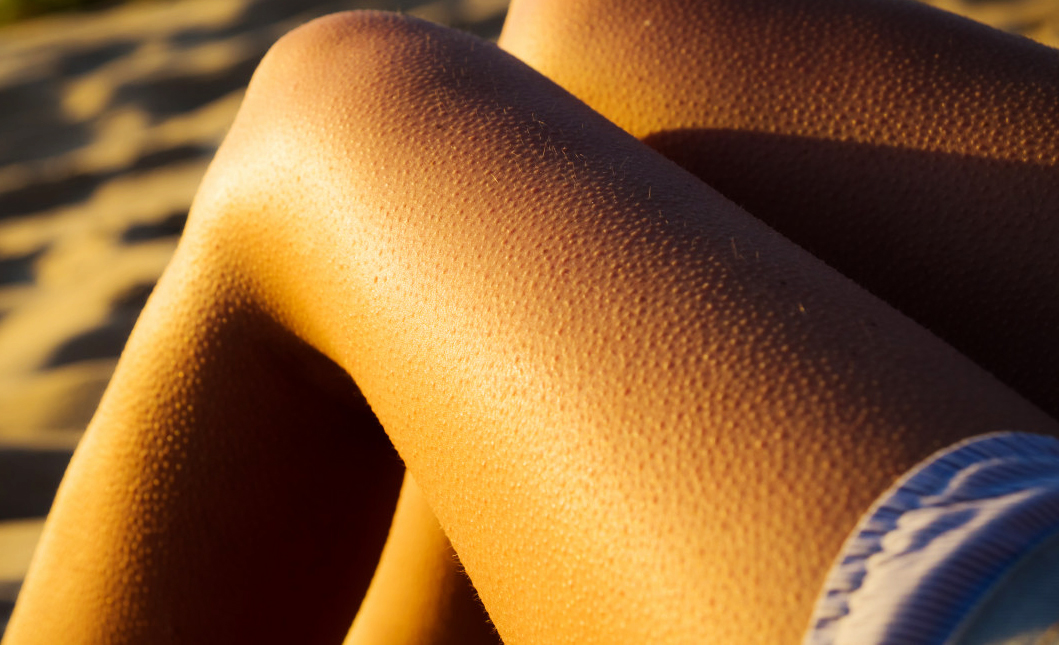
triggered by strong emotions such as excitement, fear or disgust. They may be
accompanied by goose bumps, a similar reaction localised in the muscles at the
hairline.
Certain
nutritional deficiencies, particularly in vitamins or adequate calorie intake,
disrupt the regulation of body heat and can cause shivering. An iron deficiency
can also lead to reduced oxygenation and anaemia, which can result in
shivering. Shivering can therefore be a sign of fatigue, prompting you to rest.
Fatigue slows down the body's functioning and disrupts the regulation of body
temperature. Shivering can also be felt in the case of anxiety disorders,
indicating the need to rest and consult a health professional if necessary.
They can also sometimes accompany stress.
Raymond
DZAKPATA
Article
validated by Dr Jean-Claude Bakpatina, General Practitioner Lomé-Togo