Vegetarian or vegan: health impacts
- Posted on 17/11/2022 16:14
- Film
- By abelozih@sante-education.tg

Extract from the article: Nutritionists recommend a diversified diet without excess. Studies on eating habits tend to prove that vegetarians have fewer health risk factors and better nutritional intakes. What practical advice should vegetarians and vegans adopt?
Nutritionists recommend a diversified diet without excess. Studies on eating habits tend to prove that vegetarians have fewer health risk factors and better nutritional intakes. What practical advice should vegetarians and vegans adopt?
People who do not eat meat are well known as vegetarians. Vegetarians, whether for health reasons or out of conviction, do not eat animal flesh, i.e. meat and fish. This is their only forbidden food. Vegans, on the other hand, do not eat any animal products. The range of prohibited foods is therefore very wide, as they do not eat meat, fish or eggs and of course no dairy products. The impact of these two diets on health is therefore very different.
Balanced diet while being vegetarian
Meat is one of the food groups that should be eaten in moderation to achieve a balanced diet, especially for good quality protein and iron. However, if the diet is well diversified, it is possible to balance a day without meat or fish. To do this, add dairy products, cereals such as wheat and corn, and legumes such as soya, peanuts and dried beans every day to ensure an adequate supply of proteins of high biological value. The only problem is iron, which can cause deficiency, since vegetable iron, which comes from lentils or spinach for example, is less well assimilated by the body. You need to eat more of it.
Balanced nutrition in a vegan diet
For vegans, the complete absence of animal products disrupts the dietary balance. For example, in the guide of the National Institute for Prevention and Health Education (INPES/France) entitled "La santé vient en mangeant" (Health comes by eating), it is stated that "the vegan diet makes it very difficult to meet the needs for essential amino acids, iron, calcium and certain vitamins. Following a vegan diet for a long time poses health risks, especially for children. There is a high risk of deficiencies in vitamins and minerals, as well as in essential amino acids, the building blocks of protein.
For this type of diet, contact a nutritionist to try to achieve a balance by diversifying the diet as much as possible and then see what external supplements are necessary for health.
Practical advice for both diets
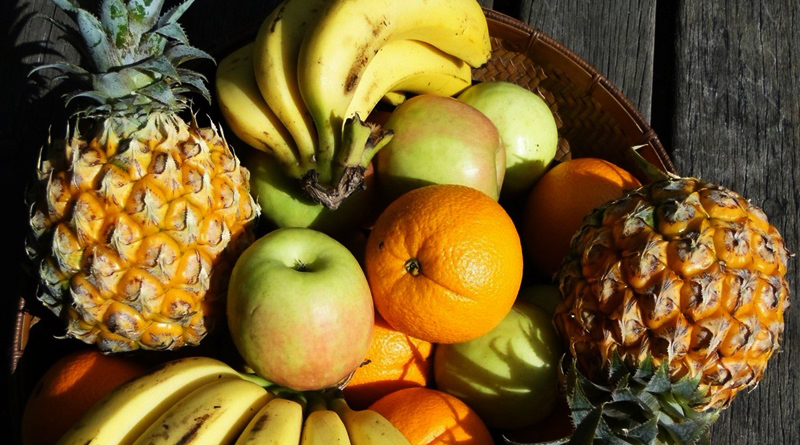
For a vegetarian, consume at least 3 to 4 high-value protein-rich dairy products daily, combining a cereal-based dish with legumes to cover protein needs. Finally, it is important to ensure that there is no iron deficiency. To avoid this, increase the consumption of fruit and vegetables.
For people on a vegan diet, it is essential to seek the advice of a nutritionist in order to plan a dietary diversification that minimises deficiencies. It is also advisable to take vitamin B12, D, calcium and iron supplements to avoid deficiencies.
Finally, the vegetarian diet is not recommended for young children as they need high quality protein and iron available to the body. The vegan diet should be avoided as much as possible in children to avoid the risk of serious deficiencies.
Source: Priorité Santé/RFI