Interview with Pr Patrice Komi Balo, Ophthalmologist, Lomé
- Posted on 01/07/2025 15:37
- Film
- By kolaniyendoumiesther@gmail.com

Extract from the article: « Cataracts are a treatable disease. People need to put their trust in conventional medicine, rather than continuing to go to traditional healers » Cataracts are associated with aging, and are the leading cause of reversible blindness worldwide...
« Cataracts
are a treatable disease. People need to put their trust in conventional
medicine, rather than continuing to go to traditional healers »
Cataracts are associated with aging, and are the leading cause of reversible blindness worldwide. This is a very common eye pathology. Cataracts are vision disorders that affect the crystalline lens. The lens becomes opaque, preventing light rays from reaching the retina, resulting in blurred vision. The disease develops slowly with age, and is one of the main reasons for eye surgery in Togo. Ophthalmologist Pr Patrice Komi Balo explains.
Santé-Education : What is a cataract ?
Dr Patrice Komi Balo : Cataracts are caused by a loss of transparency in the crystalline lens, the structure inside the eye that enables objects to be focused correctly.
Cataracts can affect the crystalline lens in different places : in the center, on the side or elsewhere. When the crystalline lens of a cataract sufferer loses its transparency, it can become white, yellow or black, and the difference can be seen with the naked eye in the patient's pupil. Unilateral or bilateral, cataracts can occur at any age. It can affect newborns, children, adolescents, adults and senior citizens. Once cataracts have formed, they prevent vision.
How prevalent is cataract in Togo ?
It is estimated that cataracts cause 50% of blindness. Cataracts lead to reversible blindness. After the operation, if the patient has no other problems or complications, sight is restored.
What types of cataract are there ?
There are three types of cataract, the main ones being: firstly, senile cataract, which affects people aged 60 or over. This is the most common type of cataract worldwide, and the one most frequently operated on. Secondly, traumatic cataracts result from an injury to the eye. This could be a cut, a blow or a chemical burn that has damaged the lens.
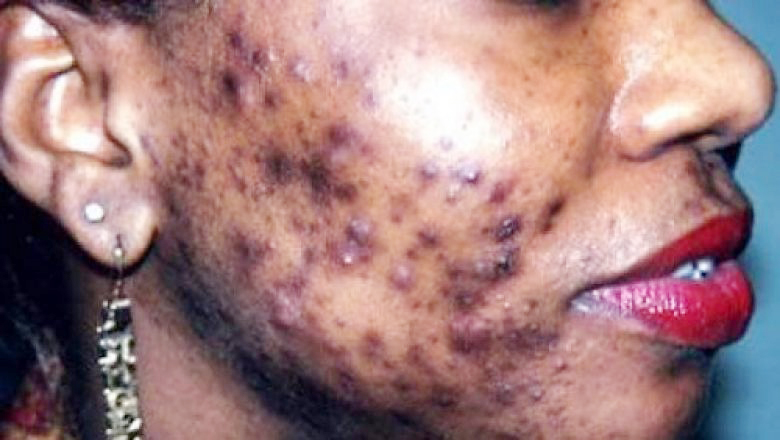
Finally, metabolic cataracts are caused, among other things, by diabetes. People with diabetes, especially type 1, can be prone to eye damage. Furthermore, the long-term use of corticoids to lighten the skin not only has harmful repercussions on the skin, but can also have consequences for the lens.
Why do newborns and children develop cataracts ?
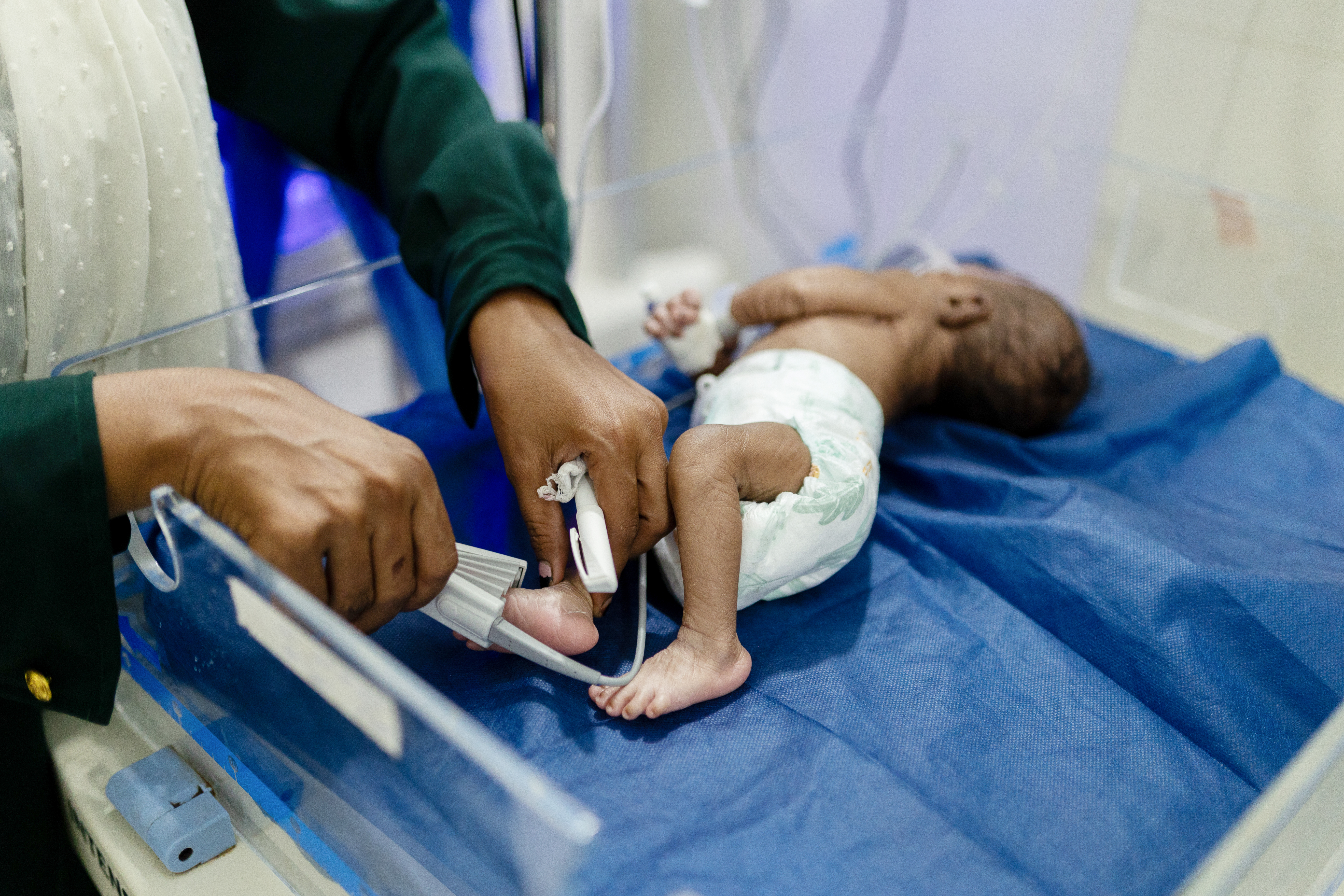
Some children are born with cataracts because of an illness that occurred during pregnancy. This is called congenital cataract. They can appear as early as one month after birth, or as late as 3 to 4 years later. These are early-onset or very late-onset congenital cataracts. Although rare, congenital cataracts can appear at birth or accompany a congenital disease such as trisomy 21. In all cases, both eyes are affected: when a child is born, his or her vision is not yet fully formed, but builds up gradually. As soon as a child has a white spot in the eye, parents can't afford to be indifferent: they must either refer the child to the midwife, pediatrician or ophthalmologist.
What are the symptoms of cataracts ?
Cataracts are a painless disease whose most common symptoms include progressively blurred vision. In both children and adults, the eye can't see, you see fog, you have a white spot in the eye, which we call leukotomy; at this point you need to see a doctor. You see blurred at a distance, you see smoke. Color perception becomes duller. You also notice a blurred vision ; you have the impression that objects are behind a white veil.
Tell us about the risk factors
Senile cataracts are linked to aging. As we age, our cells age too, so in the eyes, aging leads to oxidation: you feel a burning inside the eye. This oxidation phenomenon leads to chemical reactions that destabilize and disrupt the harmony and sequence of the cells in the lens, i.e. the entry and exit of water in the cell is altered.
This affects the transparency of the eye. Congenital cataracts are often linked to an illness or infection that occurs during pregnancy. Alcoholism, diabetes and obesity are risk factors, as is a diet low in fruit and vegetables. Smoking damages lens proteins. Certain medications can also cause cataracts.
What are the complications ?
Blindness is the major complication when cataracts are not treated promptly or operated on. Cataracts can lead to glaucoma, the inflammation of part or all of the uvea, the intermediate membrane between the sclera and the retina. Visual acuity declines to the point of causing a real handicap in everyday life. Inflammation can occur in the eye, and the cataract becomes watery, swollen and can cause tension to build up in the eyes. Or the cataract may behave like a ripe mango : it won't fall out to be picked, but will be inside the eye.
Can this disease be prevented ?
The disease can be delayed, but in the case of senile cataract, it cannot be prevented. As we age, cataracts develop. if you adopt a healthy lifestyle, cataracts will come very late. Aging well means having a balanced diet and managing stress. Nutrition is an important element in delaying cataracts. For children, in terms of prevention, it's important to manage pregnancy. When a woman is pregnant, she must make all the necessary visits and consult her midwife or gynecologist.
Is there nothing I can do about it?
Cataracts are a treatable disease. The operation is carried out under very good conditions and the results are very good in over 90% of cases. And recovery is good. People need to trust conventional medicine rather than continuing to go to traditional healers. Because many of them don't operate on cataracts, they either displace them or create serious complications, including lowering of the crystalline lens. I would advise people to trust conventional medicine. It's best to go and see an ophthalmologist. Any change in the quality of vision should be the subject of a consultation with an ophthalmologist.
Interview by William O.