Empowering women: a lever for well-being
- Posted on 25/03/2025 09:54
- Film
- By abelozih@sante-education.tg
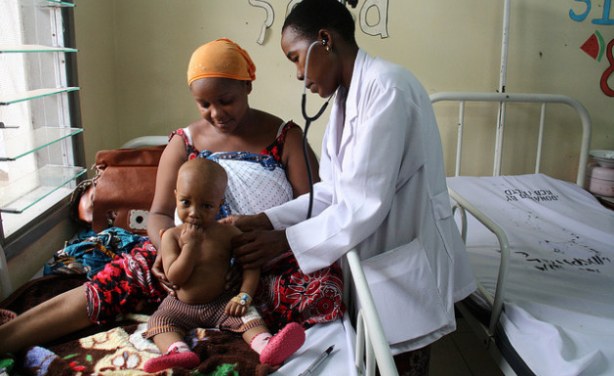
Extract from the article: Empowering women when it comes to health is a major factor in their well-being. It enables them to make informed decisions about their bodies, diet, hygiene and reproductive health. Giving women the means to inform themselves, make choices and take a
Empowering
women when it comes to health is a major factor in their well-being. It enables
them to make informed decisions about their bodies, diet, hygiene and
reproductive health. Giving women the means to inform themselves, make choices
and take action for their health is essential to promoting their well-being and
that of their community.
Access
to reproductive health information and services enables women to plan their
family life more effectively. An informed woman can choose the timing and
conditions of her pregnancies, with access to appropriate contraception
methods. Unfortunately, many women are still denied this fundamental right
because of cultural pressures or lack of access to healthcare. Reproductive
health education, combined with inclusive policies, is essential to ensure that
every woman can make autonomous decisions about her maternity.
Food and hygiene under control
Empowering
women also means enabling them to make healthy food choices.Good nutrition is
essential to prevent illnesses such as diabetes, hypertension and anaemia,
which particularly affect women of childbearing age.In the home, it is women
who prepare the meals. Making these women more aware of balanced nutrition will
enable them to take better care of themselves and their families.What's more,
proper hygiene and sanitation is a fundamental pillar of women's health.Access
to menstrual hygiene products, drinking water and appropriate sanitary
facilities is essential to guarantee women's dignity and well-being.
Education and access to healthcare
Educating
women about health is a key factor in their empowerment. A woman who knows the
warning signs of illnesses such as breast or cervical cancer is more likely to
consult a health professional in time. Access to healthcare must be facilitated
by appropriate public policies offering affordable, high-quality medical
services. In addition, support for women by healthcare professionals trained to
deal specifically with their needs boosts their self-confidence and their
ability to take action to improve their health.
Raymond DZAKPATA