Sleeping with the light on: good or bad habit?
- Posted on 18/03/2025 17:44
- Film
- By abelozih@sante-education.tg
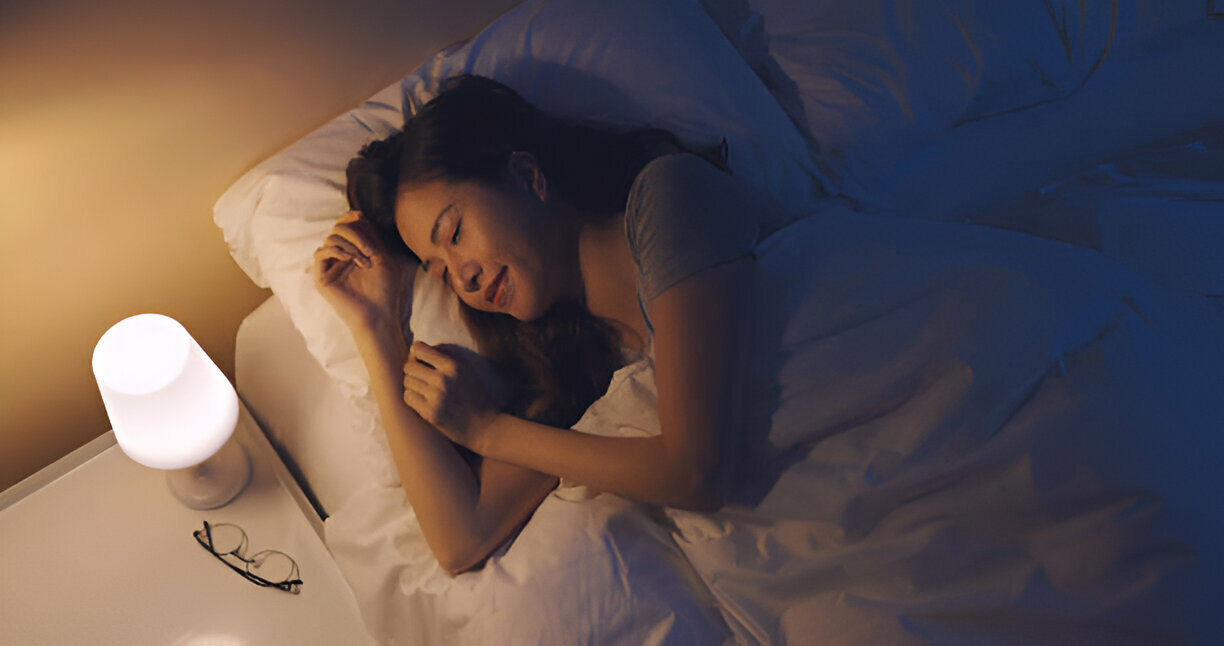
Extract from the article: Many adults have got into the habit of sleeping with the light on, a practice they often pass on to their children. This unconsciously harmless habit can have harmful long-term consequences for health.
Many
adults have got into the habit of sleeping with the light on, a practice they
often pass on to their children. This unconsciously harmless habit can have
harmful long-term consequences for health.
Exposure
to artificial light during sleep disrupts the biological clock, affecting the
production of melatonin, the sleep hormone. ‘This
exposure also sometimes prevents the body from getting deep, restorative sleep.
In children, whose internal clock is still developing, these disruptions can be
particularly problematic, leading to sleep disorders, reduced sleep quality
and, ultimately, health problems such as obesity, diabetes and mood disorders’,
explains Dr Jean-Claude Bakpatina, General Practitioner at the Floreal Clinic
(Lomé).
Recent
studies have highlighted the harmful effects of artificial light at night on
health. A study by the Feinberg School of Medicine in Chicago, published in
2022 in the journal Proceedings of the
National Academy of Sciences (PNAS), revealed that exposure to light during
sleep disrupts blood sugar and cardiovascular regulation. As well as disrupting the sleep cycle,
exposure to light during the night, even at low levels, has a direct impact on
our metabolism. Researchers have found that a single night spent in a brightly
lit environment is enough to increase heart rate, reduce its variability and
increase resistance to insulin, a hormone essential for regulating blood sugar
levels.These metabolic disturbances are not insignificant: they significantly increase
the risk of developing type 2 diabetes and cardiovascular problems.In addition,
the study reveals a link between exposure to night-time light and obesity,
particularly in women. These results underline the crucial importance of
darkness for restful sleep and optimal health.
To
reduce exposure to light during sleep, ‘we
recommend adopting simple but effective measures, such as installing blackout
curtains, switching off electronic devices, using a sleep mask and reducing the
light intensity of light bulbs before bedtime’, stresses Dr Jean-Claude
Bakpatina, General Practitioner. These precautions, combined with adequate
exposure to natural light during the day, are essential for preserving our
biological clock and our general well-being.
Jean ELI