Social networking and the risk of depression
- Posted on 17/03/2025 08:15
- Film
- By evablessing@gmail.com
Extract from the article: A study published in the US Journal of Social and Clinical Psychology may well make social networking addicts pull the plug for a while. According to the results, the more you use social networks, the greater your risk of
A
study published in the US Journal of Social and Clinical Psychology may well
make social networking addicts pull the plug for a while. According to the
results, the more you use social networks, the greater your risk of depression.
Researchers
at the University of Houston, led by Mai-Ly Steers, studied the social
networking habits of thousands of students. They found that the more time they
spent there, the more likely they were to develop depressive symptoms. This
phenomenon is linked to the mechanism of social comparison.
On
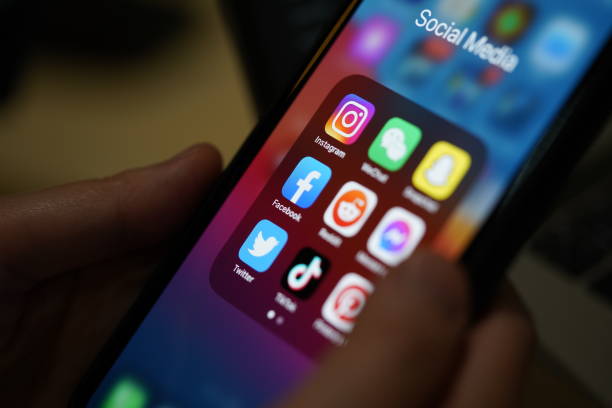
social networks such as Facebook, WhatsApp, Instagram and Tik Tok, everyone is
more or less trying to show off, by publishing the most interesting details of
life, the funniest photos, and by ignoring everyday problems. On the newsfeed,
this kind of watered-down information about friends' lives is constantly
scrolling by. And, inevitably, we can't help comparing ourselves to them. Which
sometimes leaves us feeling that our lives aren't quite as exciting.
In
2014, a study linked intensive use of social networks, particularly WhatsApp,
with feelings of loneliness. Another study from the University of Queensland
linked being ignored on social networks to a feeling of having a less
meaningful existence. In 2013, researchers at the University of Michigan found
that the more time people spend on social networks, the more unhappy they
become. This doesn't mean that social networks cause depression, but rather
that depressive feelings are closely associated with time spent on that social
network, and with comparing oneself with friends. Using social networks during
the day and over-investing disrupts sleep quality. Over-investment is also
associated with lower self-esteem, increased anxiety and depression.
It
all depends on how you use it. If, for example, you use Facebook or WhatsApp
simply as a means of keeping in touch with others, which is its original
purpose, you risk nothing. It's also important to think about how children use
social networks, and when to stop.
William
O.