Managing your diabetes during Ramadan
- Posted on 10/03/2025 13:53
- Film
- By abelozih@sante-education.tg
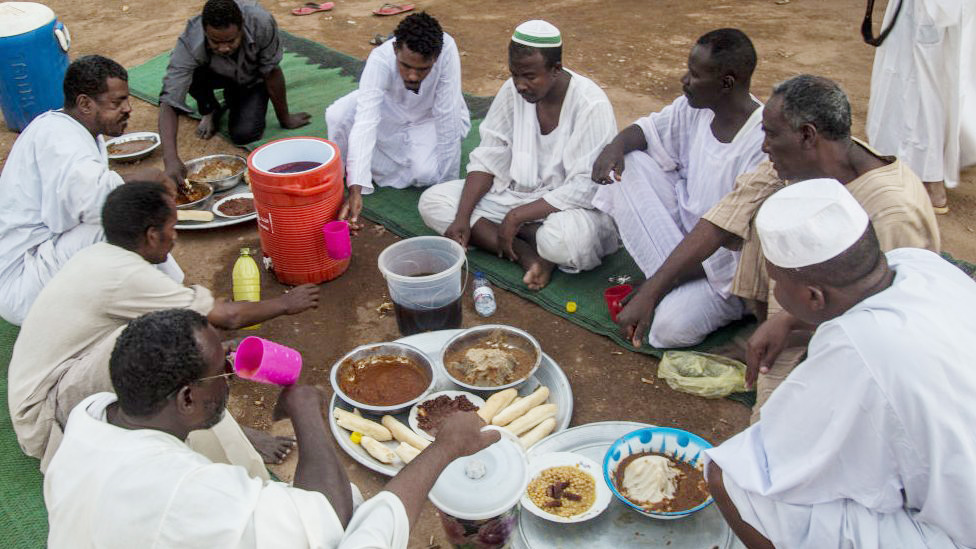
Extract from the article: The alternation between fasting and excess during Ramadan can disrupt the metabolism and unbalance blood sugar levels in diabetics. Here are a few dietary tips to help you make the most of this period.
The alternation between fasting and excess
during Ramadan can disrupt the metabolism and unbalance blood sugar levels in
diabetics. Here are a few dietary tips
to help you make the most of this period.
Ramadan fasting can unbalance blood sugar levels in
people with diabetes. Some people are exempt from this practice, due to special
circumstances such as illness, pregnancy or advanced age, but it is possible to
practise fasting from sunrise to sunset if you have diabetes, as long as you
are vigilant.
Indeed, changing your daily routine for a month, by not
eating or drinking for several hours before eating a meal outside of your usual
schedule, can upset your metabolism and unbalance your blood sugar levels,
especially as Ramadan is a festive period, and excesses of sugar and very rich
foods are not uncommon.
Dietary advice for a safe Ramadan
Stay well hydrated throughout the permitted period, even
if you don't feel thirsty. Eat a full breakfast to keep you going all day.
Avoid nibbling during the evening, and eat lunch when you break your fast,
followed by a meal at night, in place of dinner. Remember to eat a balanced
meal, with a combination of starchy foods, cereals or tubers, fruit and
vegetables, meat, fish or eggs, and dairy products. Thinking ahead, by devising
recipes that contain more vegetables, with a little spice and seasoning, can be
just as delicious. To control carbohydrate intake, reduce simple carbohydrates
(found in everything containing refined sugar, cakes, pastries, sugary drinks,
etc.) and include complex carbohydrates (cucumbers, vermicelli, fonio) and
pulses (beans, lentils, potatoes, soya) in your menus. Make sure you check your
blood sugar levels more often during this young month. Don't hesitate to
consult your doctor before starting, and if you have the slightest doubt during
the month of Ramadan. Remain reasonable, while enjoying yourself, and avoid
excess, especially as regards pastries, biscuits and other oriental sweets. If
necessary, and if your health requires it (intense tiredness, feeling unwell),
do not hesitate to break your fast and consult your doctor.
It's essential to incorporate all these good habits into
your daily routine so that you can get through Ramadan in tip-top shape. By
applying these few tips, you'll suffer much less from fatigue and hunger during
the fast. Happy Lent to all fasters.
Coura Yasmine Sandrine Zerbo, Nutritionist-Dietician,
Specialist in Clinical Nutrition and Enteral and Parenteral Nutrition (Burkina
Faso)