The link between diabetes and sleep problems
- Posted on 28/01/2025 11:40
- Film
- By evablessing@gmail.com
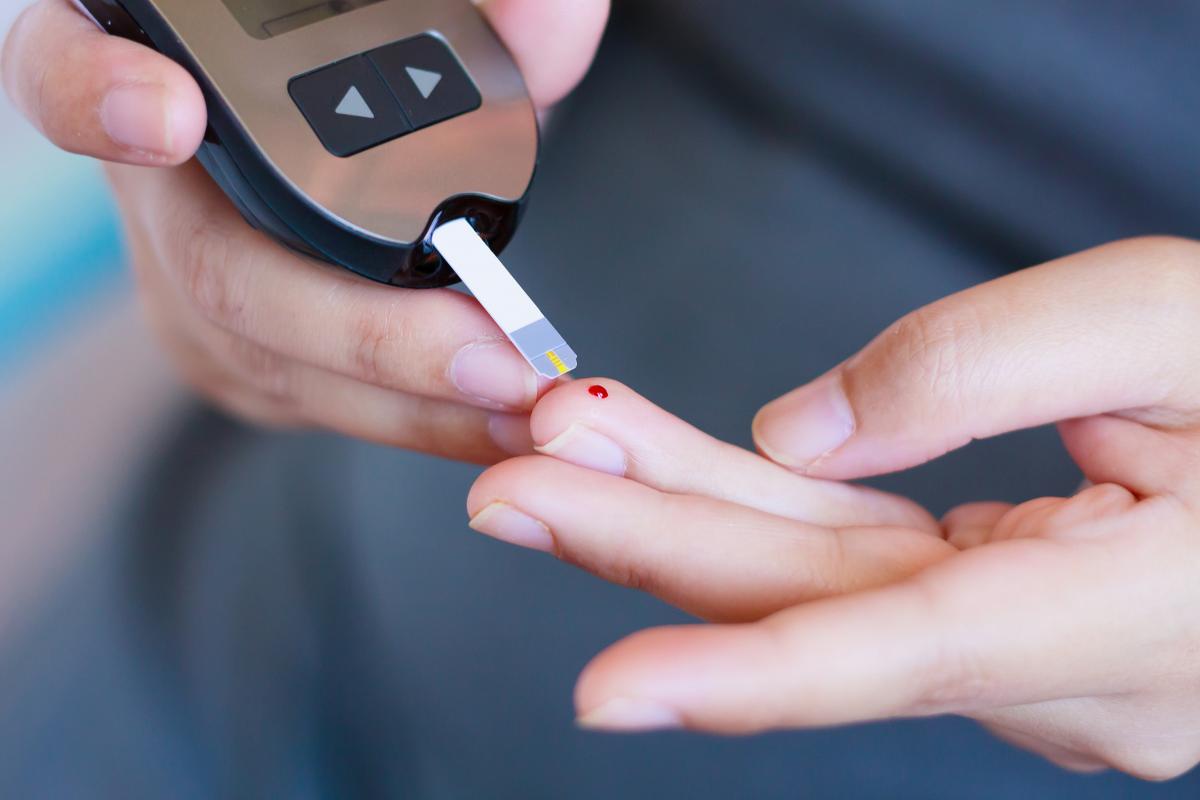
Extract from the article: Diabetes and sleep problems are linked. This is undoubtedly a problem that is not widely discussed but which nevertheless affects a large proportion of the population with this type of condition.
Diabetes
and sleep problems are linked. This is undoubtedly a problem that is not widely
discussed but which nevertheless affects a large proportion of the population
with this type of condition. Sleep disorders are common in people with type 2
diabetes and usually manifest themselves in a variety of ways. It is therefore
essential to consult a doctor.
Diabetes
is a condition in which the body has difficulty producing adequate levels of
insulin on its own. The result is glucose spikes that are undoubtedly very
dangerous. So while in type 1 diabetes the pancreas cannot produce insulin, in
type 2 diabetes, although the body can produce it, it does not do so at an
optimal level.
It
is in patients with type 2 diabetes that sleep disturbances tend to be more
severe, mainly due to oscillations in sugar levels.
Excessive
urination during the night
Diabetes
and sleep problems are linked in various ways, but the most common are those
where the person is obliged to get up 2 or 3 times to go to the toilet or to
drink water.
High
blood sugar levels make it necessary to urinate. When the body has high blood
sugar levels, it usually extracts water from the tissues. You feel dehydrated,
so you need to drink. Drinking 1 or 2 glasses of water at night makes you feel
more like going to the toilet. Similarly, low blood sugar leads to malaise,
dizziness and sweating. This affects the quality of rest.
Sleep
apnoea
Sleep
apnoea is generally very common in people with diabetes. It is the involuntary
cessation of breathing for a few seconds during sleep. However, the cause is usually weight
problems. People with type 2 diabetes often suffer from obesity. This causes an
increase in pressure in the thorax, limiting the passage of air during
night-time breathing. Snoring is not harmless. Diabetes and sleep problems are
linked and, as a result, anyone who snores at night may suffer from more
serious health problems.
Heavy
legs syndrome
This
nocturnal disorder usually has several factors, including iron deficiency, high
blood glucose levels and kidney problems. If, in addition, the person smokes,
the likelihood of having heavy legs syndrome increases. So it's essential to
have regular check-ups with your doctor. Sometimes, something as common as
having a bit of anaemia can further aggravate diabetes problems by developing
this syndrome.
A
healthy lifestyle if you have type 2 diabetes
Avoid
going to the toilet at night, for example, and drink less fluid before going to
bed. Avoid stimulating drinks such as caffeine and certain herbal teas. Regular
physical activity improves the quality of your rest. Walking, cycling, taking
the stairs or jogging are all beneficial.
Two hours before going to bed, it would be a good idea to put away
mobile phones, laptops, tablets, etc. These devices over-activate the brain and
affect sleep quality. It is very important to consult a doctor to monitor
problems and symptoms. And don't forget to have regular check-ups to monitor
diabetes and related conditions.
William
O.