Withdrawal of the USA from the World Health Organisation
- Posted on 21/01/2025 18:04
- Film
- By abelozih@sante-education.tg

Extract from the article: Just hours after his inauguration on Monday 20 January, US President Donald Trump signed a decree withdrawing the United States from the World Health Organisation (WHO). It is an expected decision that is likely to reshuffle the global health deck an
Just
hours after his inauguration on Monday 20 January, US President Donald Trump
signed a decree withdrawing the United States from the World Health
Organisation (WHO). It is an expected decision that is likely to reshuffle the
global health deck and, according to experts, considerably complicate the fight
against future pandemics.
US
President Donald Trump has signed an executive order withdrawing the United
States from the World Health Organisation (WHO) at the start of his term of
office. This decision, described as historic, redefines the relationship
between Washington and the UN agency, with major implications for global public
health.
In
the text, Donald Trump cited a number of reasons for the withdrawal, including
the WHO's «mismanagement of the Covid-19 pandemic» and «failure to
adopt urgently needed reforms». He said the agency was demanding «unfairly
onerous payments» from the US and complained that China was paying less. Donald
Trump justified the withdrawal on the grounds of an imbalance in financial
contributions between the United States and China, describing the situation as
unfair. While the United States injects around 400 million dollars a year into
the WHO's budget, China provides only a fraction of this, around 40 million. The
President also pointed the finger at the WHO's management of the Covid-19
pandemic, accusing it of inaction and lack of transparency.
In
his view, the organisation was too influenced by China, which had hampered the
global response to the health crisis.
Immediate
consequences
The
presidential decree orders US agencies to cease all funding and collaboration
with the WHO.Funds previously earmarked for the organisation will be redirected
to American and international partners deemed more reliable for carrying out
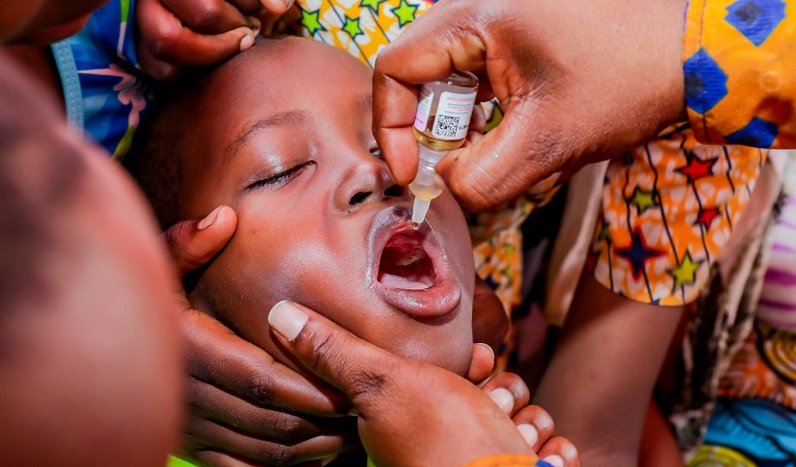
health missions.This withdrawal raises concerns about the future of global
immunisation campaigns, the fight against infectious diseases and other crucial
global public health initiatives.The WHO, as the global coordinating body,
plays a central role in these efforts.This decision, which comes against a
backdrop of growing tensions between the United States and China, risks
exacerbating the diplomatic rift.
The
withdrawal of one of the WHO's main financial contributors could also weaken
the organisation, while strengthening the influence of other players, notably
China.
A
controversial decision
The
international community has reacted with dismay, pointing out that this
withdrawal comes at a critical time when global cooperation is essential to
deal with health crises.Public health experts and humanitarian organisations
fear that this decision could jeopardise decades of progress in the fight
against pandemics and infectious diseases.
While
this decision marks a turning point, its long-term implications for global
health governance remain uncertain.One thing is clear: the withdrawal of the
United States from the WHO is reshaping the dynamics of international
cooperation.
Jean
ELI