Eliminating festive overeating
- Posted on 20/01/2025 11:23
- Film
- By abelozih@sante-education.tg
Extract from the article: After overeating, particularly during the festive season, especially in terms of fat, sugar and alcohol, it's no surprise that the health balance shows an imbalance in favour of the disease. You need to take immediate action while your body is still
After
overeating, particularly during the festive season, especially in terms of fat,
sugar and alcohol, it's no surprise that the health balance shows an imbalance
in favour of the disease. You need to take immediate action while your body is
still remembering its previous weight and metabolism. How can you eliminate
toxins and excess weight day after day and regain your vitality? Mathieu Kponou
Tobossi, Dietotherapist and specialist in food hygiene and quality, proposes a
programme to eliminate toxins and boost the metabolism.
The
most urgent thing is to rest the digestive and elimination organs, particularly
the liver and stomach, which are the most clogged up by excesses. This means,
above all, cutting out alcohol, processed products and foods that are too
salty, fatty or sweet, reducing starchy foods and controlling and choosing fats
carefully. « To lose weight more quickly, eat 100% natural, lean and
predominantly plant-based foods. During the first few days, your plate should
be gradually enriched with animal proteins (in reasonable quantities) to boost
energy expenditure and starchy foods, which are slowly assimilated, to regulate
appetite and food intake, as well as foods rich in micronutrients that speed up
elimination and encourage the mobilisation of fat reserves: the basis of the
diet is fruit and above all vegetables of all kinds, combined with good
hydration», emphasises Mathieu Tobossi, Expert in Food Hygiene and Quality.
After that, we supplement with a little lean meat and fish, legumes and
wholegrain cereals in moderate quantities, and a little vegetable oil (peanut,
soya, palm or palm kernel, sesame).
Ease
digestion
After
overindulgence, the energy metabolism organs become clogged up and slow down.
By cleansing your plate, you can make their job easier. Opt only for natural
foods. Processed products contain additives, saturated fats and modified sugars
that disrupt digestion. Avoid excess salt and sugar as they delay the
elimination of waste by retaining water in the tissues. As for sweet products,
they tire the pancreas, which is forced to over-secrete insulin. Fats,
especially saturated animal fats, increase the workload on the liver. Eat a
piece of white meat with green vegetables and a little starch. Then a dairy
product. Eat a light supper. Avoid cream, butter, fatty meats, cheeses and cold
meats.
Filtering
out toxins
Water
facilitates the work of the kidneys, flushes out water-soluble toxins, promotes
intestinal transit and thins the blood. « The ideal is to stay hydrated
throughout the day, preferring still water. Drink at least 2-3 litres a day,
with at least half a litre of water every morning when you wake up, away from
breakfast, and the rest throughout the day. Opt also for green tea and herbal
teas between meals », stresses Mathieu Tobossi Kponou. Prefer soups in the
evening, as they hydrate, remineralise the body and, thanks to the combination
of water and fibre in vegetables, boost waste elimination. Because the meal is
lighter, and you can add a broth at lunchtime. « Squeezed lemon is also a
valuable ally in the fight against toxins.
It should be eaten fresh, preferably in the morning. Its citric acid
helps the liver to process fats and toxins and regulates blood sugar levels. It
also contains antioxidants, particularly vitamin C, which neutralise toxic substances
», explains Tobossi Kponou.
Restoring
the acid-base balance
Excessive
consumption of animal products contributes to acidification of the body and
leads to overproduction of uric acid. We need to increase the vegetable
component, which has an alkalinising effect, to the detriment of animal
products, which are acidifying. At lunch and dinner, eat plenty of vegetables,
as they provide little energy but are rich in fibre, vitamins and minerals. In
particular, they contain potassium, which helps eliminate sodium and water in
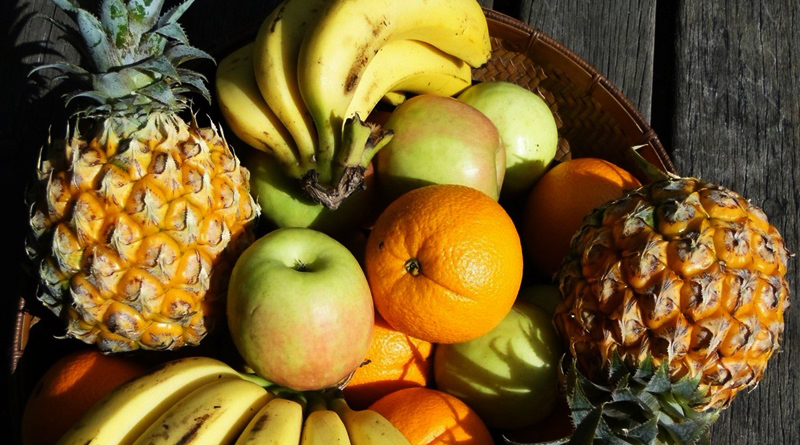
the urine. Take two fruits a day; they are diuretic and remineralising. But as
they are also sweet, it's best to limit the amount you eat (one piece of fruit
= around 150g). The citric acid in lemons is transformed into citrate in the
stomach, which contributes to alkalinisation. Pulses are rich in proteins and
minerals and, above all, in fibre, which boosts transit and the elimination of
toxins. Introduce them in the evening, replacing meat or fish.
Calming
inflammation
Acid-base
imbalance and excess saturated fats, sugar and alcohol encourage inflammation,
which can lead to weight gain. We're banking on anti-inflammatory foods. « Make an infusion of cloves. Thanks to
its synergistic action, this spice actively combats inflammatory
conditions. A portion of oily fish:
herring (Mãvi), mackerel (Salomo). They are rich in omega-3 and recommended
twice a week. Coconut seed oils, such as soya and pure peanut, for seasoning.
They are rich in omega-3. A spoonful with each meal », recommends Tobossi
Kponou.
Regenerating
the liver
Excesses
of fat, alcohol and sugar have put it to the test. After a few days' rest, it's
time to give it a boost with foods that boost its activity. Here's what
specialist Kponou Tobossi suggests:
Recipe
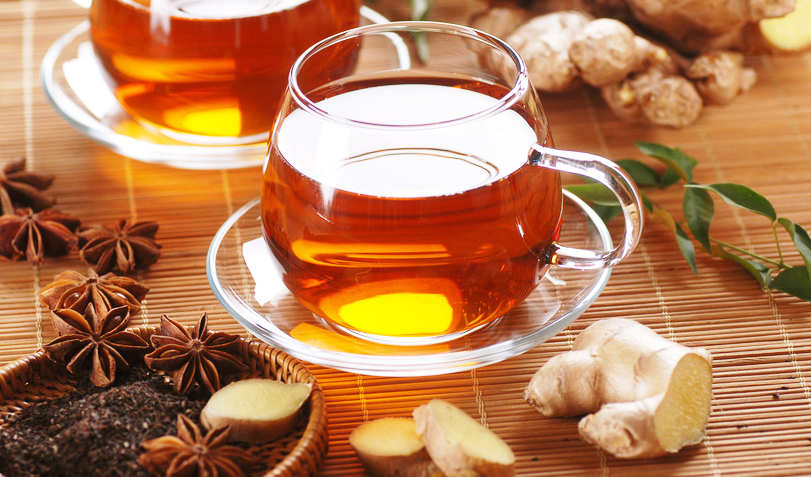
1: 6 spoonfuls of turmeric + 6 spoonfuls of ginger + 2 spoonfuls of cloves.
Make the mixture and keep it with you, using it sparingly on a daily basis.
Recipe
2: 500 g turmeric, 500 g ginger and 200 g cloves. All in powder form. Take 1 to
2 teaspoons morning and evening in a glass of lukewarm water. Use for 10 days
to 2 weeks.
Parsley
is an excellent drainer for the gall bladder and liver, helping to eliminate
toxins and waste products. It has an antibacterial effect on digestive flora.
Beetroot contains betaine, a substance with the property of helping digestion
and combating the accumulation of fat in the liver. It contains various active
ingredients that stimulate bile production. It also contains substances that
contribute to the metabolism of sugars and fats. It is best eaten raw.
Rebalancing
the intestinal flora
The
festive season represents a veritable tsunami for the intestinal bacterial
flora. According to Tobossi, «to improve digestion, combat bloating and
boost metabolism, you need to nourish and support the flora. More vegetables
and fruit rich in prebiotics. Undigested, these specific fibres arrive intact
in the colon where bacteria can break them down. The best sources: garlic,
beetroot, broccoli, cabbage, chicory, onion, leek; banana, citrus fruit, apple,
pear, mango, dried fruit, chickpea, kidney bean, oats. Probiotics for support.
These living organisms help with digestion, play a role in the absorption of nutrients
and prevent intestinal problems such as bloating, flatulence, constipation and
diarrhoea». Wholemeal bread is also preferable.
Boost
your metabolism
To
do this, focus on protein-rich foods, which require a lot of energy to digest
and help maintain muscle mass. Eat a high-protein breakfast. Make sure you have
fish for breakfast every morning. Choose white meats and leaner, lower-fat
fish. A good portion: 130 g on average. A protein supplement at dinner: one or
two eggs or 80 g of lean fish or meat.
Controlling
blood sugar levels
For
a week, we've reduced our carbohydrate intake to force the body to release
carbohydrates. We're increasing our intake of starchy foods, particularly at
dinner, but choosing them carefully. Go for brown rice and sweet potatoes. They
prevent major fluctuations in blood sugar levels, which are conducive to
storage. Semi-wholemeal or wholegrain cereals. Rich in fibre, they are absorbed
slowly, provide more of the minerals and vitamins the body needs and keep you
full for longer. Alternatively, opt for legumes: thanks to their high fibre
content, they are slowly assimilated by the body and provide lasting satiety.
Capitalising
on your energy
No
more raw food. It's the only way to fill up on vitamin C, essential for energy
and immunity. Reintroduce raw vegetables as starters, and steam vegetables. The
pigments in coloured fruit and vegetables contain antioxidants that strengthen
the body. Aromatic herbs are rich in minerals and vitamin C, while spices are
full of protective substances.
Staying
the course
Don't
let your guard down, or you risk seeing those curves creep back in. Over the
next few days and weeks, it's essential to make good resolutions, namely
healthy eating habits. Eat a high-protein breakfast with animal proteins, but
don't overdo it. The ideal: a portion of 120 to 130 g at lunchtime and a
supplement (80 g) at dinner. Give preference to lean meat, and eat red meat
twice and oily fish twice a week.
Opt
for wholegrain cereals and pulses. These are good sources of energy that don't
encourage storage and ensure good transit. A little at each meal, depending on
your appetite and activity. If you gain weight again, leave them out at dinner.
Fruit and vegetables should be present at every meal, in all their forms, raw
and cooked. Limit fruit to two a day. Alcohol and sweet products should be
consumed on special occasions and in moderation, with the emphasis on red wine.