Animal health: vaccination is an investment
- Posted on 12/12/2024 13:34
- Film
- By abelozih@sante-education.tg
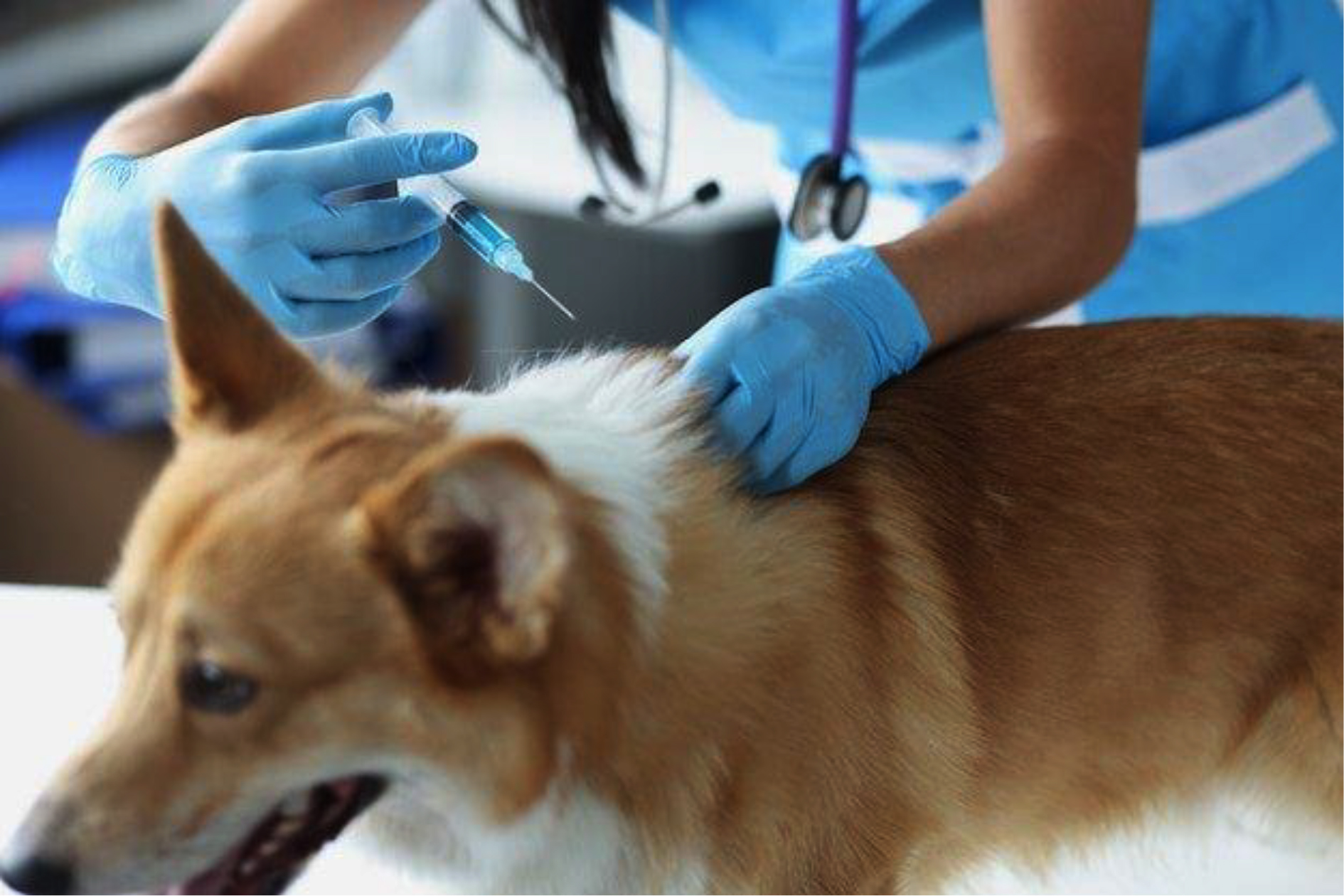
Extract from the article: Animal vaccination remains a major public health issue in Togo. Despite awareness campaigns, many Togolese are still reluctant to have their pets vaccinated. Considered an unnecessary expense by some, vaccination is nevertheless an essential investme
Animal
vaccination remains a major public health issue in Togo. Despite awareness
campaigns, many Togolese are still reluctant to have their pets vaccinated.
Considered an unnecessary expense by some, vaccination is nevertheless an
essential investment in the health of the animal, its owner and the community.
Rabies,
distemper, parvovirosis... these are all fatal diseases that can affect pets
and be transmitted to humans. In Togo, these diseases continue to wreak havoc,
partly because of insufficient vaccination rates.
There
are several reasons for this reluctance. Firstly, the cost of vaccination may
be a barrier for some families.Secondly, a lack of awareness of the risks
associated with unvaccinated diseases can lead people to underestimate the
importance of vaccination. Finally, some people wrongly believe that their pet
is not at risk of catching a disease.
Vaccination
can prevent many serious, often fatal, illnesses, ensuring a long life for the pet. Some diseases, such as rabies, can be transmitted to humans. By vaccinating
the pet, you protect not only the family, but also the people around you. A
vaccinated pet is a healthy pet, so you can enjoy the time together to the
full.
Running
awareness campaigns
Large-scale
information campaigns are essential to explain the benefits of vaccination and
dispel preconceived ideas.Free or low-cost vaccination programmes could be set
up, particularly in the most disadvantaged areas.Having understood this need,
the Ordre National des Médecins Vétérinaires du Togo (ONMVT) launched a free
rabies vaccination campaign on Saturday 5 October 2024 in Adetikope. A total of
1,000 dogs were vaccinated in Adetikope and Lomé.
«Every
year 55,000 to 70,000 people die from rabies, mainly in developing countries.
Rabies can be eradicated by vaccinating dogs and keeping them at home.Stray
dogs should be avoided.It's when an animal goes outside that it can contract
rabies.Rabies is a fatal disease that is normally transmitted by a virus and
humans become infected either by biting or scratching an animal that comes into
contact with them.Once a human being has been bitten by a dog or scratched, the
disease does not appear immediately. There is an incubation period that varies
depending on the location of the bite.The more you're bitten on the foot, the
longer it will take for the disease to develop than if you're bitten on the
neck, for example. Because once the virus enters your body, it migrates to the
brain.In the brain, it multiplies. This destroys the nerve cells and you start
to experience the symptoms of rabies. These include behavioural problems,
drooling and hydrophobia, i.e. a fear of drinking water. Hydrophobia and
aerophobia are characteristic signs in humans. And once you start this disease,
there's nothing you can do but die», explains
Dr Kossi Mabalo, President of the Ordre National des Médecins Vétérinaires du
Togo (ONMVT).
Vaccination
must become an act of responsibility for every animal owner, in the same way as
regular veterinary care. Animal vaccination is a major public health issue in
Togo.By investing in the health of your pets, you are investing in your own
health and that of the community.It's time to change attitudes and make
vaccination a reflex for all pet owners.
William
O.