Neem against toxins, bacteria and parasites
- Posted on 08/08/2024 16:24
- Film
- By abelozih@sante-education.tg
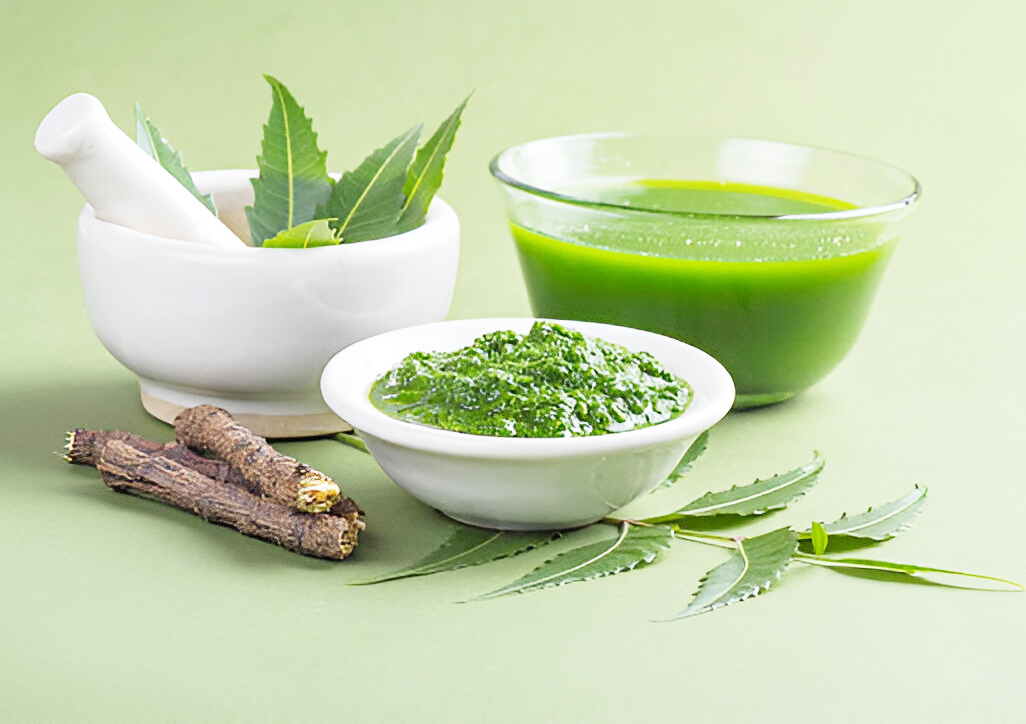
Extract from the article: Officially declared the "tree of the 21st century" by the United Nations, neem is unrivalled when it comes to eliminating toxins that clog up the bloodstream and cause skin problems. It tones mucous membranes and purifies them of toxins. Its antisept
Officially declared the "tree
of the 21st century" by the United Nations, neem is unrivalled when it
comes to eliminating toxins that clog up the bloodstream and cause skin
problems. It tones mucous membranes and purifies them of toxins. Its antiseptic
potential eliminates most bacteria, fungi and parasites.
Neem's main virtue is to eliminate toxins from the
blood and skin. To date, over 140 chemical compounds have been isolated from
various parts of the tree. Neem is unrivalled for reducing circulating toxins,
for example when the skin is suffering from the harmful effects of detoxifying
the body too quickly. On the other hand, it is not the best plant for
dislodging toxins deeply stored in the body's non-vascular environments.
Purifying effect
Neem eliminates toxins in circulation without
necessarily dislodging those buried deeper in the body. This purifying effect
is expressed by the very bitter flavour of neem, indicating its useful
detoxifying functions. Certain components of the leaf have an antihistaminic
effect which dilates the blood vessels, relieves hypertension to some extent
and calms stress slightly. It also seems capable of delaying blood clotting if
necessary.
Properties for the genitourinary system
Neem is diuretic and lithotritic, which means that it
stimulates urine production and helps to crush urinary stones so that they can
be eliminated naturally.It also helps to reduce creatinine levels when they are
too high.This plant has an emmenagogue action, helping to trigger menstruation,
although this is not its best use.
Energy and bacteria
The body is constantly expending energy to manage
bacteria.If their level is excessive, we feel 'flat' because the defence
mechanism has to spend too much energy fighting them.By using neem internally
and externally, we can manage these bacteria to prevent them from
proliferating, thereby reducing the energy expended by the body. Consuming a
certain amount of neem daily can destroy troublesome bacteria in the intestinal
tract and keep the colon clean and free from infection.
Recipe for Neem infusion
Recipe: 1 to 2 teaspoons of dried neem leaves (or 1
handful if using fresh leaves), 1 cup of Water (250 ml), 01 tablespoon of Honey
(optional) to sweeten the taste.If using fresh leaves, wash thoroughly.If using
dried leaves, make sure they are dry and clean. Bring the water to the boil in
a small saucepan. Add the neem leaves to the boiling water. Reduce the heat and
simmer for 5 to 10 minutes. The infusion time can be adjusted according to the
desired strength. Filter the leaves from the infusion using a sieve or tea
strainer. If desired, add a little honey to soften the taste. Drink the
infusion warm.You can drink 1 to 2 cups a day, as recommended.
Precautions
The use of neem is not without side effects.
Inappropriate use may cause vomiting, loose stools or excessive hunger. Before
beginning any regular internal use of neem, especially if you have health
problems or are taking medication, it is advisable to consult a doctor.
Although neem is generally safe in small quantities, high doses can cause side
effects such as digestive problems or allergic reactions. Pregnant or
breast-feeding women should avoid using neem unless advised to do so by their
doctor.
Gamé KOKO