Gut health: spice recipes
- Posted on 28/08/2023 17:05
- Film
- By abelozih@sante-education.tg
Extract from the article: A study published in the journal « Clinical Nutrition » has identified certain spices that appear to be beneficial to the health of the intestinal microbiota. The latter plays an important role in digestive, metabolic, immune and neurological functio
A
study published in the journal « Clinical Nutrition » has identified
certain spices that appear to be beneficial to the health of the intestinal
microbiota. The latter plays an important role in digestive, metabolic, immune
and neurological functions. Here are 08 spices that are highly beneficial to
the health of the intestinal microbiota.
Some
spices help digestion and prevent stomach upsets thanks to their carminative,
antibacterial and anti-inflammatory properties. Here's what they are.
Cinnamon
With
all its anti-inflammatory and antibacterial properties, cinnamon has a
beneficial effect on the digestive system.
Recipe:
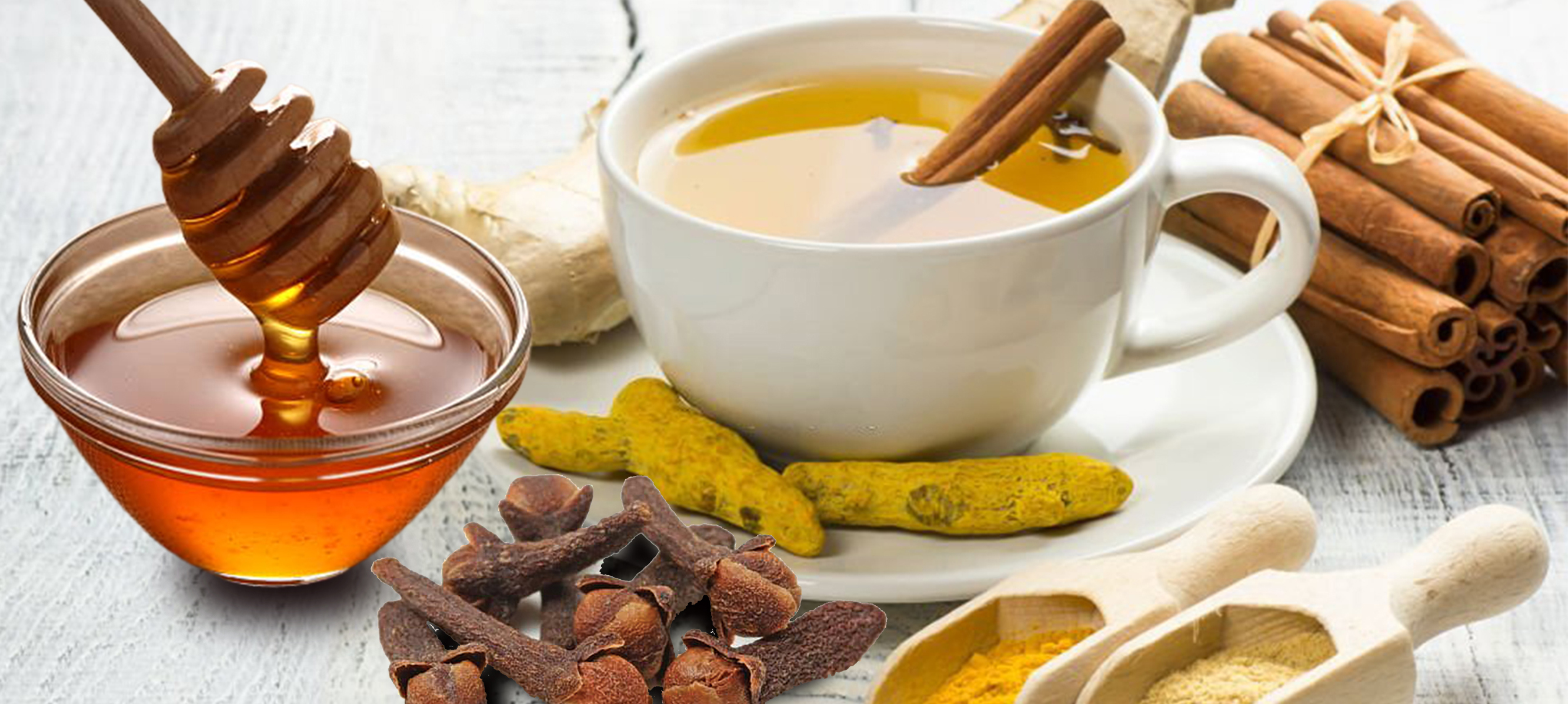
1 cup water (250 ml), 1 spoonful cinnamon powder, 1/4 spoonful turmeric powder,
1 spoonful natural honey. Start by heating the cup of water. When it comes to
the boil, add the powdered cinnamon and turmeric. Leave to infuse for 10
minutes. Once this time has elapsed, leave to stand for a further 10 minutes.
Strain the contents and save the water. Serve in a mug and add the teaspoon of
natural honey. This remedy is best taken at breakfast.
Ginger
Ginger
is a rhizome belonging to the same family as turmeric.It is reputed to be a
« superfood ». This is because it is exceptionally rich in nutrients
and antioxidants.
Recipe:
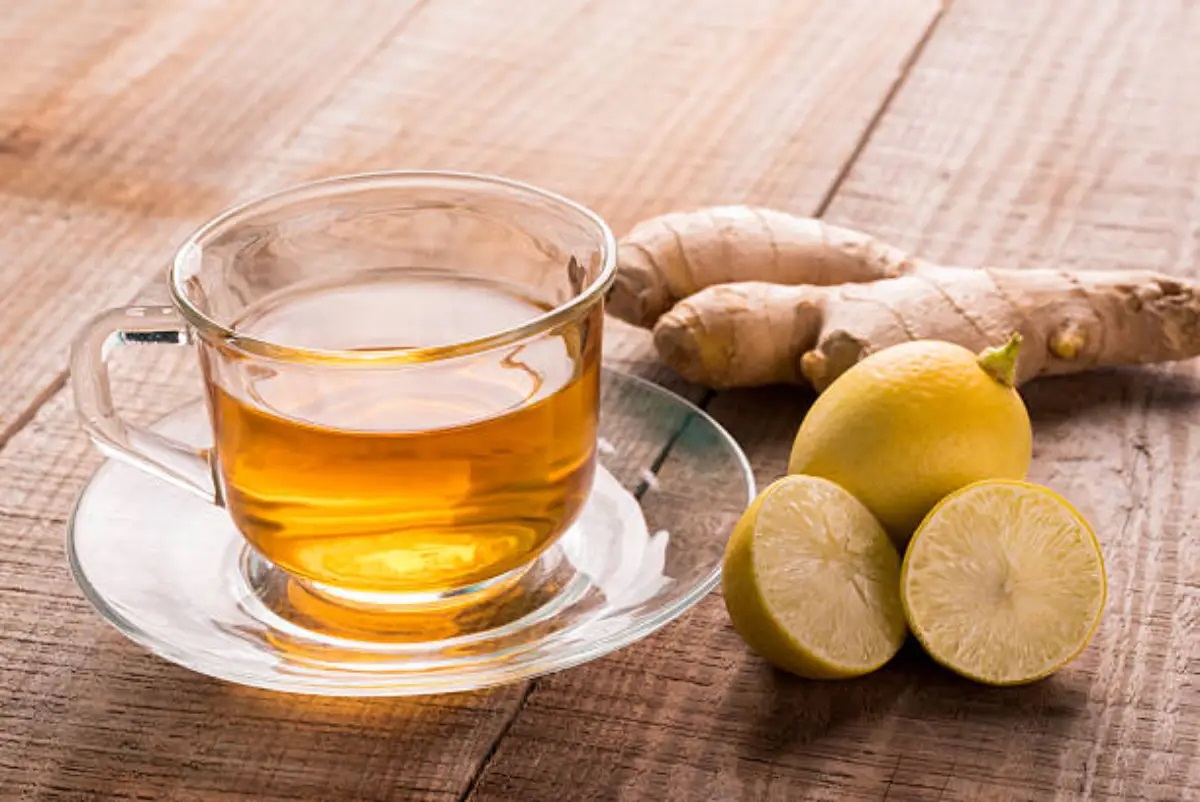
1l water, 5 limes, 02 fresh ginger, 10 cloves.Peel and slice or grate ginger.
Bring all ingredients to the boil. Cover, remove from heat and leave to infuse
for around 5 minutes. Opt for honey instead.I use about 1L a day.
Turmeric
Turmeric
(Curcuma longa) or Indian Saffron is a yellow spice that has been well known in
Asia for thousands of years.Its digestive, immune and anti-inflammatory
benefits have been the subject of numerous studies.It is considered effective
in the fight against chronic diseases.
Recipe:
1 tablespoon powdered cinnamon. 2 tablespoons honey.Mix honey and cinnamon. Add
a little more honey if the consistency is too thick, but not too much either -
the cinnamon honey should be quite thick. Pour the spiced mixture into a
stoppered jar and store in a cool, dark place. Cinnamon honey doesn't go bad,
so you can make it ahead of time and enjoy it for a long time. One large
teaspoon for adults, 1/2 teaspoon for children.
Cumin
Cumin
(Cuminum cyminum) is an annual herbaceous plant native to the Near East, whose
seeds are dried for use in spices.It is known for its beneficial effects on the
liver: it increases the release of digestive proteins in the mouth, stomach and
small intestine, enabling more efficient digestion.
Recipe:
To treat digestive disorders, prepare an infusion of cumin seeds after a meal.
In 200 ml of simmering water, infuse 1 tablespoon of cumin seeds, off the
heat.Take 1 cup in the morning and 1 cup in the evening for 3 weeks.
Black
pepper
Black
pepper aids digestion by stimulating the secretion of digestive juices.Piperine
is an active ingredient that promotes intestinal mobility.It also improves the
health of the microbiota by promoting good bacteria in the colon. It
facilitates transit and prevents colic, constipation, gas and diarrhea.
However, it should be avoided in cases of ulcer or inflammation of the
digestive mucosa.
Recipe:
Lightly crush Xylopia ethiopica (guinea pepper or atikali or kili or
kpédjélekoun) and boil.Drink half a glass of bamboo with meals.
Anise
Its
anethole-based essential oil and flavonoids give it many powerful digestive
properties.The seeds of this plant are particularly soothing.
Recipe:
2 teaspoons honey. 1 teaspoon aniseed powder. Mix the ingredients and you're
ready to go.In terms of dosage, take 1 to 2 teaspoons of aniseed honey a day,
at the end of meals, if you're prone to difficult digestion or bloating.
Clove
The
anti-parasitic properties of cloves have always been of great use in the
treatment of intestinal worms.Its particularity is that it has a vermifuge
action on these parasites, including tapeworms.
Recipe:
200 ml water, 05 cloves. Bring water to the boil.When it boils, turn off the
heat and infuse the 05 cloves for ten minutes. Remove the cloves and drink.You
can drink this herbal tea as is, or add a little cinnamon, lemon or honey to
make it easier to drink. Do not exceed 2 cups a day, and do not consume the
beverage for prolonged periods. It may be useful to grind the nails before
infusing.
Microbiota
and intestinal health
The
digestive tract contains no fewer than 1013 micro-organisms, as many as the
number of cells that make up the body.This collection of non-pathogenic
bacteria, viruses, parasites and fungi makes up the intestinal microbiota or
intestinal flora. This group of bacteria has a protective function.The
microbiota is involved in digestive, metabolic, immune and neurological
functions.If unbalanced, it is conducive to pathologies, in particular
autoimmune and inflammatory diseases. The health of the intestinal microbiota
is partly linked to diet, since it draws directly from the food we ingest,
particularly dietary fiber, and plays a direct role in digestion.
Research
has shown that people with many different microbes have better intestinal
health and diet than those without much bacterial diversity.
Researchers
at the Institut National de la Santé et de la Recherche Médicale ⋅(INSERM/France) first
compared the effects of eating a handful of 28 grams of peanuts a day. After
six weeks, participants showed an increased abundance of Ruminococcaceae: a
group of bacteria linked to healthy liver metabolism and immune function.The
scientists then analyzed the impact of adding spices.After just four weeks,
participants showed an increase in gut bacterial diversity, including an
increase in Ruminococcaceae.Adding spices is a way of reducing sodium in the
diet, but flavoring food in a way that makes it palatable and, indeed,
delicious.
Abel
OZIH
Article validated by Kponou Tobossi, NFS Cabinet Manager, Food Hygiene and Quality Specialist